Buying a Washington, DC rowhouse can look straightforward on the surface. You see the brick facade, the classic streetscape, and the income potential, and it is easy to focus on finishes or price per square foot. But in DC, a rowhouse investment is often just as much about legal use, permitting, registration, and long-term strategy as it is about the property itself. If you want to invest with more confidence, this guide will help you think through the key issues before you buy. Let’s dive in.
Why DC rowhouses stand apart
In Washington, DC, rowhouses are not just another housing type. They are a major part of the city’s physical character, especially in areas with historic block patterns and established commercial corridors. The DC Office of Planning describes places like Capitol Hill as historic townhouse areas, which helps explain why rowhouse value is often tied to the full streetscape, not only the interior updates you can see during a showing.
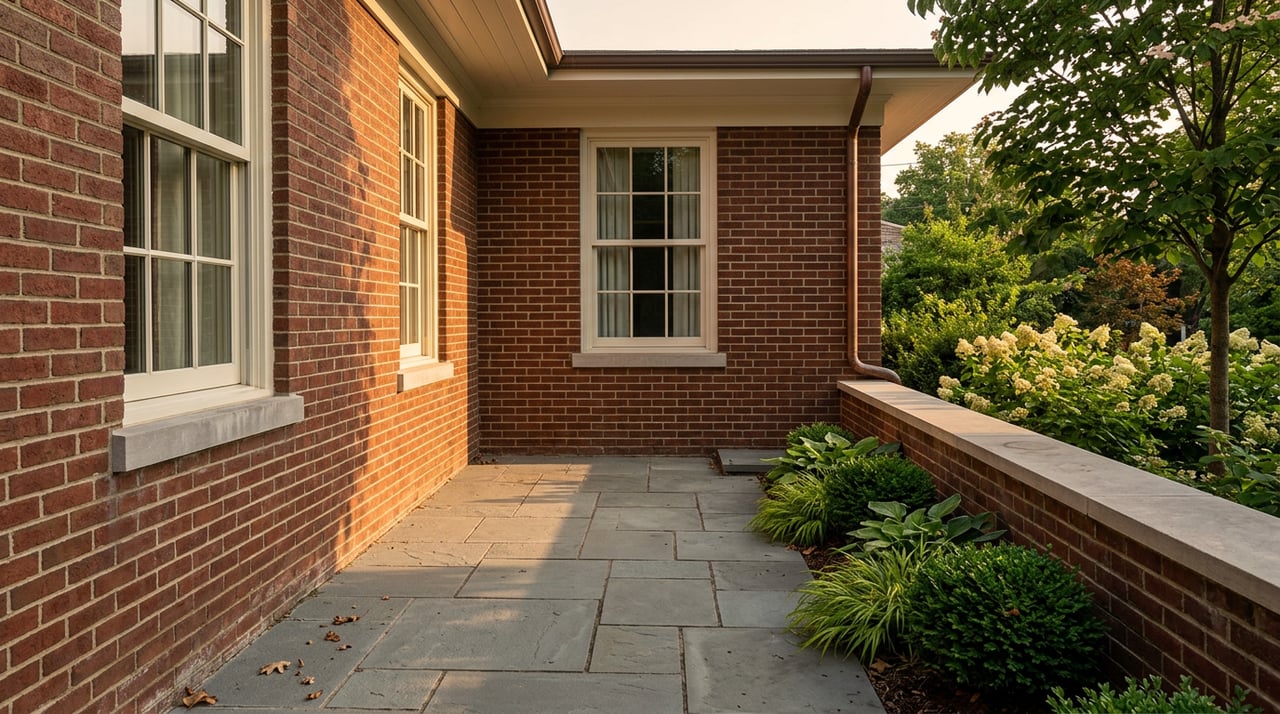
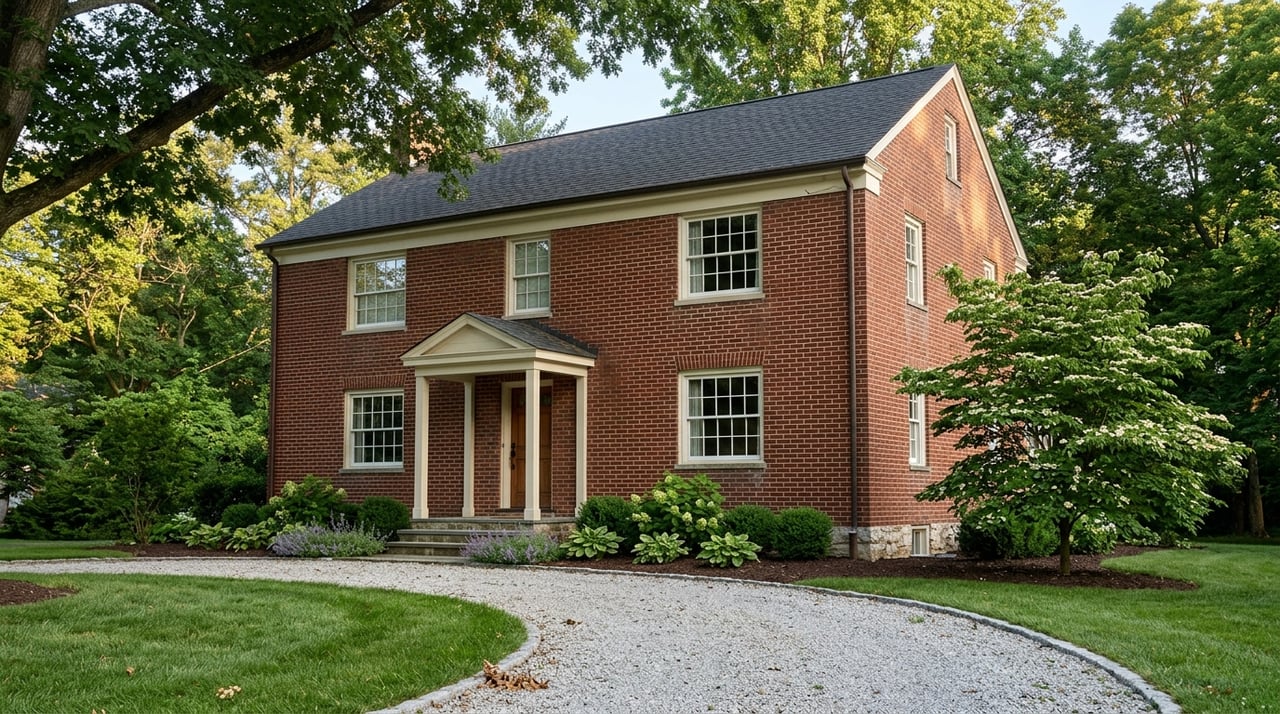
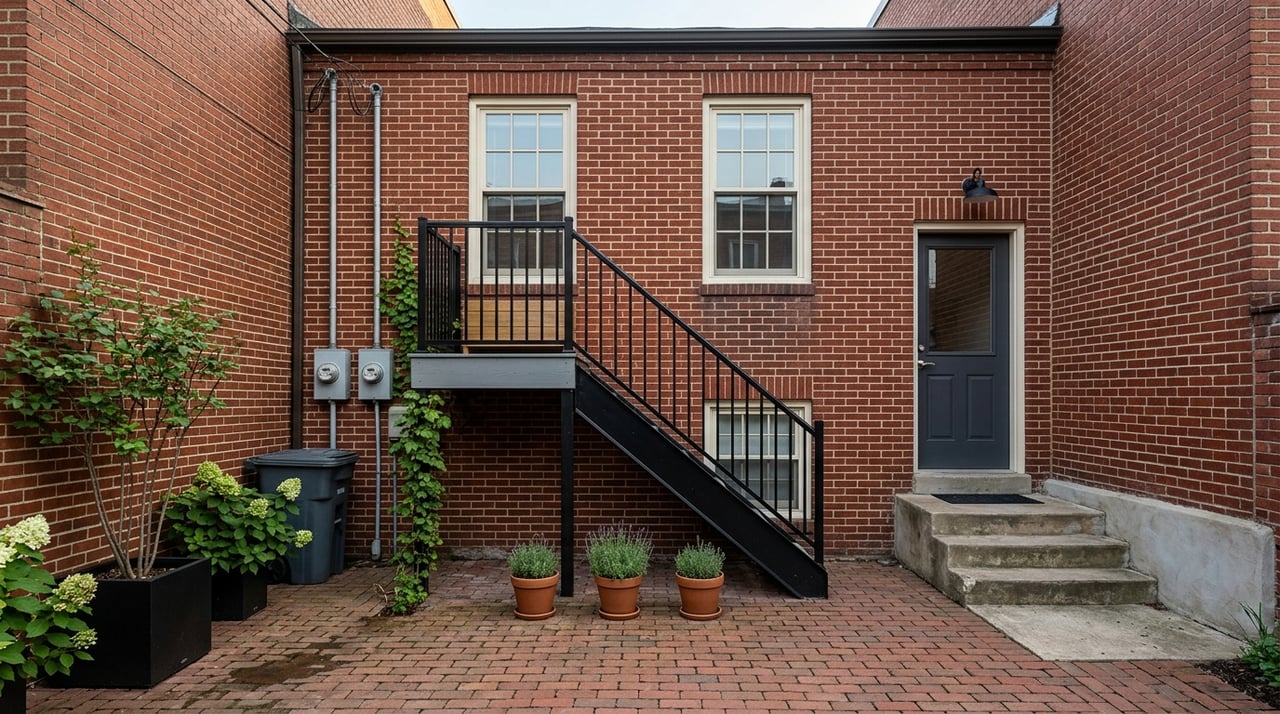
City preservation guidance describes rowhouses as attached dwellings built in groups, often with consistent facades, brick fronts, projecting bays or gables, double-hung windows, and rear wings that extend toward the back of the lot. In practice, that means your investment analysis should consider the lot, the building’s place within the row, and the likely renovation path. A beautiful interior does not erase exterior or legal constraints that may affect your budget and timeline.
Start with the legal use
Before you estimate rent or renovation costs, classify how the property is legally used. In DC, that step shapes licensing, occupancy rules, and whether a Certificate of Occupancy may be required.
According to the Department of Licensing and Consumer Protection rental categories, DC separates one-family rentals, two-family rentals, and apartments. A one-family rental can include a single-family home, townhouse, duplex, condo unit, or even individual rooms. A two-family rental can include an English basement or converted basement apartment, or a carriage house in a single-family home where the main residence is occupied.
That distinction matters because a rowhouse that looks like a flexible income property may not support your plan without additional compliance work. If you are buying for rental income, ask early whether the current use matches the records and whether the intended setup is already legal.
Know the main monetization paths
Most DC rowhouse investors look at one of a few common strategies. You might hold the home as a one-family rental, create or operate a two-unit configuration, or live in one part of the home while renting another.
DC also distinguishes between a flat and an accessory apartment. The city’s Flats and Accessory Apartments Guide explains that a flat means two independent dwelling units in one house. Flats are allowed as matter of right in RF zones, require a Certificate of Occupancy, and each rental unit needs a Basic Business License.
An accessory apartment, also called an ADU, is different. It is secondary to the principal dwelling, includes separate kitchen and bath facilities, may have its own entrance, is allowed as matter of right in R zones, is limited to one per lot, and must be owner-occupied by either the principal dwelling or the accessory apartment. If your investment plan depends on non-owner-occupied dual-unit income, that owner-occupancy rule is a major factor.
House hacking can work, but read the fine print
If you plan to live in the property and rent part of it out, a DC rowhouse may offer useful flexibility. In the right property and zoning context, an accessory apartment can support that approach.
For some owner-occupants, the RAAP pilot program may help fund the creation or renovation of an accessory dwelling unit in R zones. The program includes project cost caps of $120,000, and some applicants may face income-based rental restrictions. That makes it a potentially valuable tool, but not a shortcut around zoning, licensing, or occupancy requirements.
You should also review tax assumptions carefully. The DC Office of Tax and Revenue states that the 2026 Homestead Deduction reduces assessed value by $91,950 for an owner-occupied principal residence. If you rent part of the home, confirm how your setup affects licensing and tax treatment before you count on owner-occupant savings in your projections.
Licensing and registration affect cash flow
One of the biggest mistakes investors make is underwriting rent without confirming compliance. In DC, rental housing must be licensed by DLCP, inspected by DOB, and registered with DHCD’s RentRegistry.
The current DHCD rental registration guide states that a property that is not properly registered is legally and automatically rent-stabilized until the owner complies. That is not a small administrative issue. It can directly affect your ability to raise rent and reach your projected return.
DLCP also notes that for one-family and two-family rentals, the Basic Business License is issued first and DHCD registration follows. For apartments and two-family rentals, a Certificate of Occupancy is required. If you are comparing two similar rowhouses, the one with cleaner records and a simpler compliance path may be the stronger investment, even if the purchase price is a bit higher.
Understand DC rent control before you buy
DC rent control can materially change your income projections. The city says rent control generally applies unless an exemption exists.
Based on the current DC rent control fact sheet, common exemptions include rental units built after 1975 and units owned by a natural person who owns no more than four rental units in the District. For covered units, rent may be increased only once every 12 months and only when the unit is properly registered and in substantial housing-code compliance.
For the current rent-control year, the DHCD notice instructions state that the general adjustment from May 1, 2025 to April 30, 2026 is CPI-W 2.8% plus 2%, capped at 10%. Protected tenants age 62 or older or tenants with disabilities have a 2.5% COLA-based adjustment capped at 5%, and landlords must give 60 days’ notice. When you model future rents, use the actual rules, not broad assumptions.
Tenant issues can affect your closing timeline
If the rowhouse is tenant-occupied, your due diligence should go deeper. Timing, notices, and closing conditions may be affected by TOPA and related rules.
The DHCD RENTAL Act FAQ explains that the law created new TOPA exemptions for certain 5-plus-unit properties and new exemptions for some 2-to-4-unit properties when a business or corporation does not own a majority interest. The owner has the burden to prove any claimed exemption. If a deal includes existing tenants, that issue should be clarified early so your contract strategy matches the real timeline.
Renovation risk is a big part of rowhouse investing
With DC rowhouses, value-add potential often depends on alterations like basement conversions, areaways, decks, roof decks, or rear additions. Those improvements can increase usability and income potential, but they can also trigger longer approval paths.
If the property is in a historic district, the permit process includes an added preservation review step. The Office of Planning encourages owners to contact the Historic Preservation Office before applying, and notes that more than 95% of preservation-related applications are handled through expedited review. Even so, that extra step should be part of your schedule and contingency planning.
The city also lists common work items that may require Historic Preservation Office review, including window and door replacement, basement areaways and window wells, rear porches and decks, roof decks and access stairs, skylights and solar equipment, fences, retaining walls, and additions. For many investors, those are the exact improvements that drive the business plan. You want to know in advance which upgrades may face more review.
Exterior details matter more than you think
DC rowhouses are part of coordinated streetscapes, and that can shape what changes are practical or approvable. Preservation guidance notes that rowhouses function as a larger architectural whole, with rear elevations often treated more simply and rear wings tapering toward the back of the lot.
That means a change that seems minor in isolation may still affect the broader row. If your strategy depends on changing entrances, replacing windows, expanding the rear, or altering the roofline, make sure your contractor and agent are evaluating the property through a DC-specific lens.
Accessibility can also become part of the renovation equation. DC publishes separate guidance for access to terraced residential buildings, noting that raised front yards and narrow lots can make compliant access more challenging. This can be especially relevant if your project includes basement conversion, new entrances, or step replacement.
A practical framework for evaluating a DC rowhouse
If you are choosing between a rowhouse, condo, or small multifamily property, use a simple framework to reduce surprises.
1. Confirm the legal use
Make sure the current and intended use align with DC categories such as one-family rental, two-family rental, flat, accessory apartment, or apartment building. This is the foundation for the rest of your underwriting.
2. Review tenant status early
If tenants are in place, understand whether notices, exemptions, or transfer rules may affect timing. This is especially important if your closing depends on vacancy or immediate repositioning.
3. Price the legalization work
Include realistic costs and time for egress, areaways, decks, additions, facade work, and any likely DOB or HPO review. The renovation budget should reflect city process, not just construction pricing.
4. Stress-test rent assumptions
Model rent based on registration status, rent-control rules, and the property’s likely exemption status. Optimistic projections can fall apart quickly if compliance is incomplete.
5. Compare owner-occupant benefits carefully
If you plan to house-hack, weigh possible ADU and tax benefits against the extra owner-occupancy and licensing requirements. Sometimes the numbers work well. Sometimes the added complexity changes the picture.
The bottom line on investing in a Washington DC rowhouse
A Washington, DC rowhouse can be a strong investment asset, but it rewards careful due diligence. The best opportunities are often found by investors who understand that success depends on more than price, finishes, or neighborhood buzz. Legal use, licensing, registration, rent-control exposure, tenant status, and preservation review can all shape your outcome.
If you want help evaluating a DC rowhouse purchase through a practical, data-driven lens, connect with Robert T Dinh. You will get clear guidance on the property, the process, and the questions to ask before you commit.
FAQs
What makes a Washington, DC rowhouse different from other investment properties?
- A DC rowhouse is often valued not just for its interior, but also for its lot, its place within a continuous streetscape, and the regulatory path for any planned changes.
What should you verify before buying a DC rowhouse as a rental?
- You should confirm the legal use, licensing requirements, Certificate of Occupancy status if applicable, DHCD registration, rent-control exposure, and whether existing tenants affect closing or repositioning plans.
Can you create a basement rental unit in a DC rowhouse?
- In some cases, yes, but the answer depends on whether the setup qualifies as a flat or accessory apartment, along with zoning, owner-occupancy rules, licensing, and permitting requirements.
Do Washington, DC rowhouses fall under rent control?
- Many do unless an exemption applies, such as certain post-1975 units or qualifying ownership situations, so you should review the property’s specific status before underwriting rents.
Does historic review matter when renovating a DC rowhouse?
- Yes, especially for common value-add projects like window replacement, areaways, decks, roof decks, additions, and other exterior work that may require Historic Preservation Office review.
Is house hacking a Washington, DC rowhouse a good strategy?
- It can be, particularly if the property supports an accessory apartment or similar setup, but you should compare the income potential with the owner-occupancy, tax, and compliance requirements first.