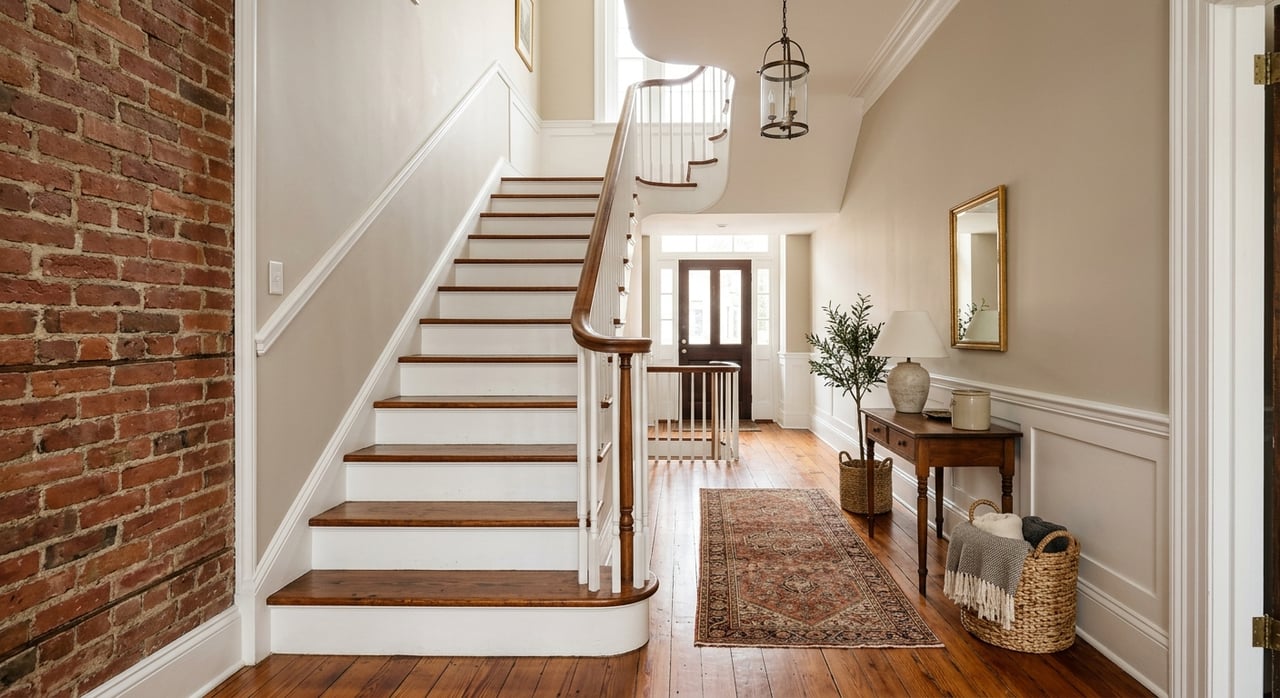
Wondering whether you can have historic charm and an easy, walkable lifestyle in Frederick? You can, but it helps to know what you are really buying. If you are drawn to brick facades, classic details, and the energy of downtown, this guide will help you understand what makes Frederick’s historic homes unique, what daily life looks like in the city core, and what to watch for before you make a move. Let’s dive in.
Why Frederick feels different
Frederick’s historic district is not just a small pocket of preserved homes. According to the Maryland Historical Trust’s Frederick Historic District listing, it is the city core and includes residential, commercial, ecclesiastical, and industrial buildings dating from the late 18th century to 1941.
That scale matters when you start your home search. Instead of finding one or two old streets tucked away from newer development, you are looking at a true historic downtown environment with a strong sense of continuity. The district includes 2,435 contributing resources out of 2,635 total, which helps explain why Frederick feels visually cohesive and full of character.
What walkable downtown living means
Downtown Frederick is built for people who like to be out and about on foot. The Downtown Frederick Partnership describes downtown as a historic, mixed-use Main Street community with more than 250 specialty boutiques, galleries, fine dining spots, and local craft beverage businesses.
That means your day-to-day routine can feel more connected and convenient. Depending on where you live, you may be able to walk to coffee, dinner, shops, galleries, and public events instead of planning every outing around a car trip.
Frederick also supports that pedestrian experience in practical ways. The Partnership notes that its Ambassador Program covers more than 17 blocks, including Market Street, Patrick Street, Carroll Creek Linear Park, and Everedy Square & Shab Row, providing directions, hospitality escorts, and sidewalk cleaning.
Events also play a big role in downtown life. First Saturday keeps shops, restaurants, and galleries open late with special events, tastings, and exhibits, which adds to the appeal if you want an active, social downtown setting.
What homes you will see most often
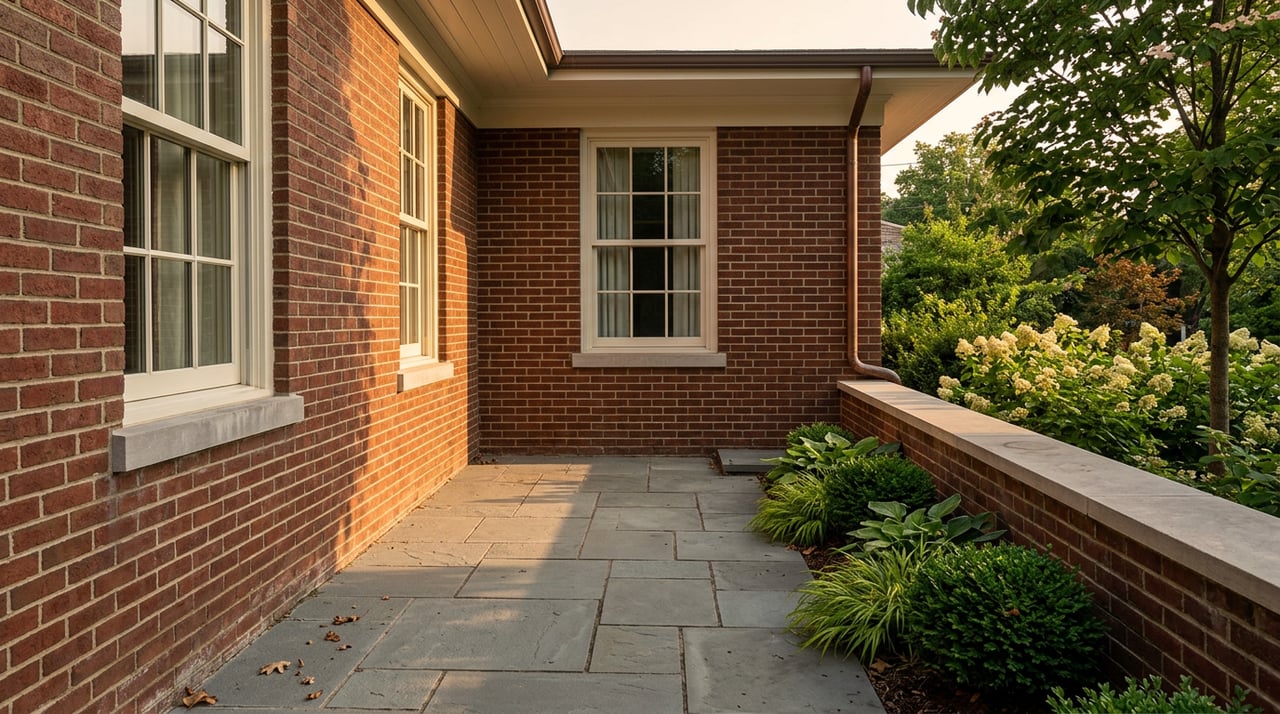
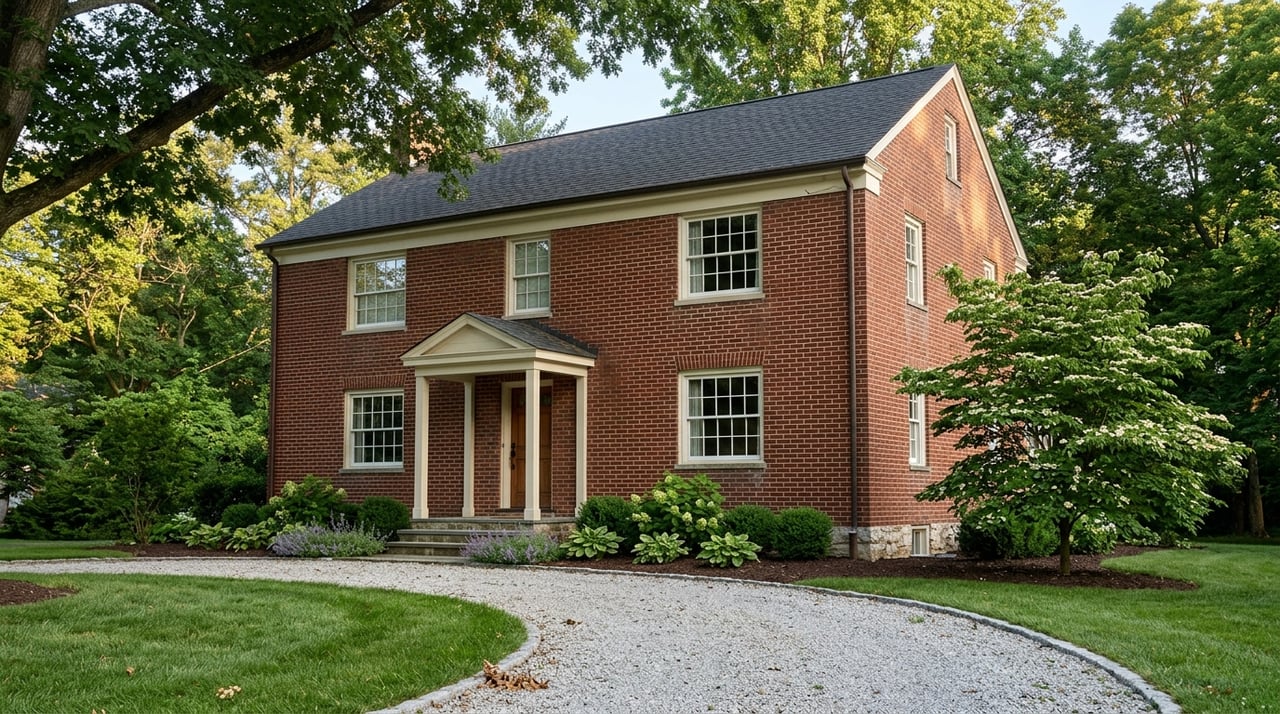
Many homes in Frederick’s historic district are attached or closely spaced dwellings with an urban feel. The National Register description notes that most residences are independent but adjacent dwellings, usually two to three stories and two to three bays wide, often with vernacular forms and more restrained ornament.
In simple terms, you should expect homes with strong street presence rather than wide setbacks and large suburban lots. Larger detached Queen Anne and American Foursquare houses do appear around parts of the core district, but much of the historic housing stock reflects the compact form that supports walkability.
Along the commercial corridors, especially Patrick and Market streets, the historic fabric shifts into three- to four-story brick or frame storefront buildings. That mix of residential and commercial architecture is part of what gives downtown Frederick its layered, lived-in feel.
Frederick’s signature architectural details
One reason buyers fall in love with Frederick is the variety of architectural styles packed into a relatively walkable area. The City of Frederick downtown walking tour highlights Federal, Greek Revival, Italianate, Gothic Revival, Richardsonian Romanesque, Classical Revival, and Beaux-Arts influences.
If you are touring homes, it helps to know what details often signal that historic character. In Frederick, you may notice:
- Brick construction
- Narrow urban lots
- Symmetrical facades
- Elliptical fanlights
- Temple fronts and columns
- Pointed arches
- Decorative cornices and brackets
- Tall, narrow windows and doors
A few style cues stand out more than others. Federal buildings often show symmetry and elliptical fanlights. Greek Revival architecture may feature temple fronts and ionic columns. Italianate buildings often have bracketed cornices, wide overhangs, and elongated openings.
What interiors often look like today
Historic homes in Frederick are rarely untouched time capsules. In many cases, what you will actually find is a mix of preserved original character and modern updates that make everyday living more comfortable.
According to the National Park Service guidance on historic interiors, the features that often carry the most character include plaster walls, trim, mantels, staircases, wainscoting, doors, and window or door trim. Visible historic systems such as radiators, grilles, light fixtures, switchplates, and even bathtubs can also contribute to that sense of authenticity.
At the same time, buyers should expect many older homes to have updated support systems. Preservation guidance and rehabilitation programs show that work such as mechanical, electrical, and plumbing updates, along with restoration of plaster, flooring, and trim, is a normal part of owning and improving a historic property.
Comfort and efficiency upgrades can also be part of the picture. The National Park Service’s weatherization guidance points to common improvements such as air sealing, repairing or upgrading windows and doors, adding insulation in attics, basements, or crawlspaces, and choosing efficient HVAC and electrical systems.
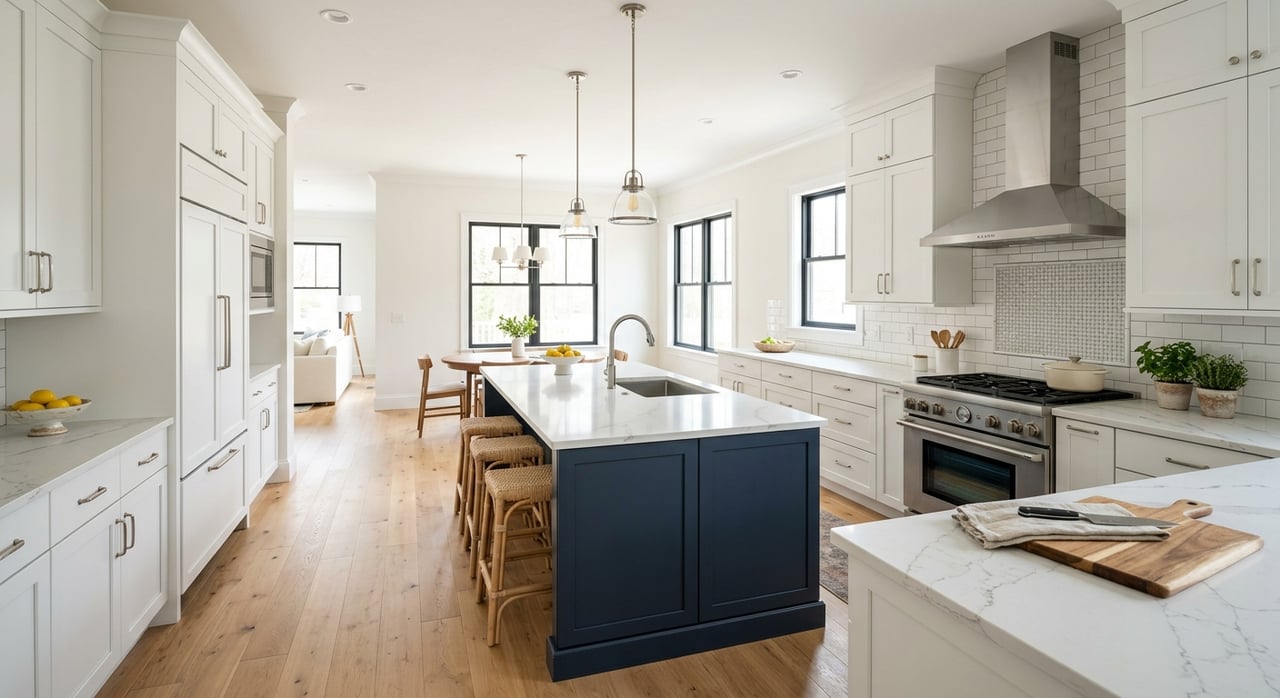
A practical way to think about it is this: many Frederick historic homes offer character in the details and function in the systems. Kitchens and bathrooms are often the spaces most likely to reflect later updates, even when original features remain elsewhere in the home.
What buyers should check before purchasing
With a historic home, charm is only part of the story. Process matters too.
The City of Frederick’s Historic Preservation program explains that the Historic Preservation Overlay gives the city authority over exterior work, including demolition, and that all exterior alterations require approval even if they are not specifically listed in the resident brochure.
That can affect more than major renovations. The city also flags items such as sheds, fences, gates, walls, patios, sidewalks, driveways, and other hard surfaces as work that may need review. For example, changing brick sidewalks to concrete requires approval, while replacing concrete sidewalks with brick does not.
Before you buy, it is smart to review:
- Prior exterior changes and whether approvals were obtained
- Permit history for major system updates
- Roof, masonry, chimney, and window condition
- Age and condition of HVAC, plumbing, and electrical systems
- Any planned exterior projects you hope to take on after closing
This does not mean historic ownership is overly difficult. It means you should go in with clear expectations and a solid understanding of the home’s condition, documentation, and future project path.
Tax credits can help offset costs
Frederick’s historic housing appeal is not only about aesthetics. There may also be financial incentives for eligible work.
The City of Frederick currently advertises a Historic Preservation Property Tax Credit for exterior work in the Historic District Overlay equal to 25 percent of eligible expenditures, up to $7,500. Maryland’s homeowner credit may also provide a 20 percent state income tax credit for eligible rehabilitation expenses, capped at $50,000 in a 24-month period.
Eligible state project types include roof repair or replacement, chimney and structural repairs, window and door restoration, storm windows or doors, masonry repair, mechanical, electrical, and plumbing work, and interior finish restoration. Ineligible items include landscaping, sidewalks, patios, parking areas, appliances, and new construction.
One important detail is timing. Work begun before review and approval does not qualify for the state credit, so buyers who plan improvements should understand the process before starting a project.
Is downtown Frederick right for you?
If you love homes with original details, a stronger sense of place, and the ability to enjoy shops, dining, and events on foot, downtown Frederick can be a compelling choice. The housing stock offers real variety, from simpler vernacular row-style homes to larger detached houses around the edges of the core.
It is also a good fit if you appreciate the idea of stewardship. Buying in a historic district often means balancing your personal style with the responsibility of caring for a home that is part of a larger architectural story.
The key is making sure your expectations match the property. If you want a fully updated home with minimal restrictions on exterior changes, a historic property may feel limiting. If you want character, walkability, and long-term appeal, Frederick offers a rare combination.
When you are ready to explore Frederick homes with a clear strategy, Robert T Dinh can help you evaluate property condition, lifestyle fit, and the details that matter before you buy.
FAQs
What makes Frederick’s historic district different from a typical old neighborhood?
- Frederick’s historic district covers the city core rather than a small preserved enclave, with a large concentration of historic residential, commercial, ecclesiastical, and industrial buildings.
What is walkable downtown living like in Frederick, Maryland?
- Downtown Frederick offers a pedestrian-oriented setting with shops, restaurants, galleries, Carroll Creek, and recurring events like First Saturday, all within the historic core.
What types of historic homes are common in downtown Frederick?
- Many homes are two- to three-story adjacent dwellings that are two to three bays wide, with some larger detached Queen Anne and American Foursquare houses around parts of the core district.
What original features might buyers find in Frederick historic homes?
- Buyers may find preserved details such as plaster walls, trim, mantels, staircases, wainscoting, historic doors, window trim, radiators, and other visible period features.
What should buyers know about exterior renovations in Frederick’s Historic Preservation Overlay?
- Exterior changes typically require city approval, and that can include not only major alterations but also features like fences, patios, sidewalks, driveways, and other hardscape elements.
Are there tax credits for restoring historic homes in Frederick, Maryland?
- Yes, the City of Frederick and the State of Maryland currently advertise tax credit programs for certain eligible rehabilitation projects, subject to rules, caps, and approval requirements.