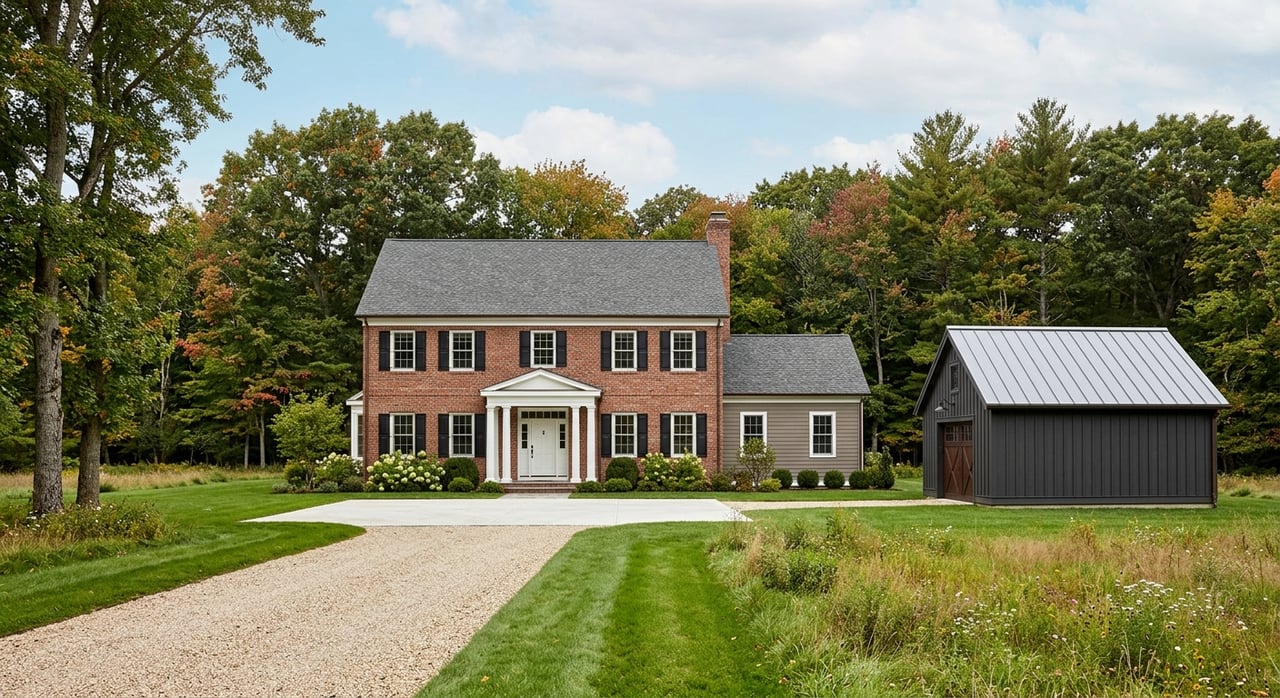
Looking for more elbow room without giving up Montgomery County convenience? That is exactly why Laytonsville stands out. If you are drawn to open space, larger lots, and a quieter day-to-day setting, living on land here can offer a very different experience from more densely built parts of the county. In this guide, you will learn what makes Laytonsville appealing, what lifestyle benefits come with owning more land, and what practical details you should verify before you buy. Let’s dive in.
Why Laytonsville Feels Different
Laytonsville is a small municipality in Montgomery County that the town describes as being about 25 miles north of the White House. The town and county planning materials describe it as a semi-rural community with open space, which helps explain why the area feels more spacious than many nearby suburban locations. According to the Town of Laytonsville, that character is a defining part of its identity.
That sense of space is also supported by modest growth. County data in a 2024 hazard plan show the population grew from 353 in 2010 to 572 in 2020. For you as a buyer, that can translate into a setting that still feels established and low-density rather than rapidly built out.
More Space for Daily Living
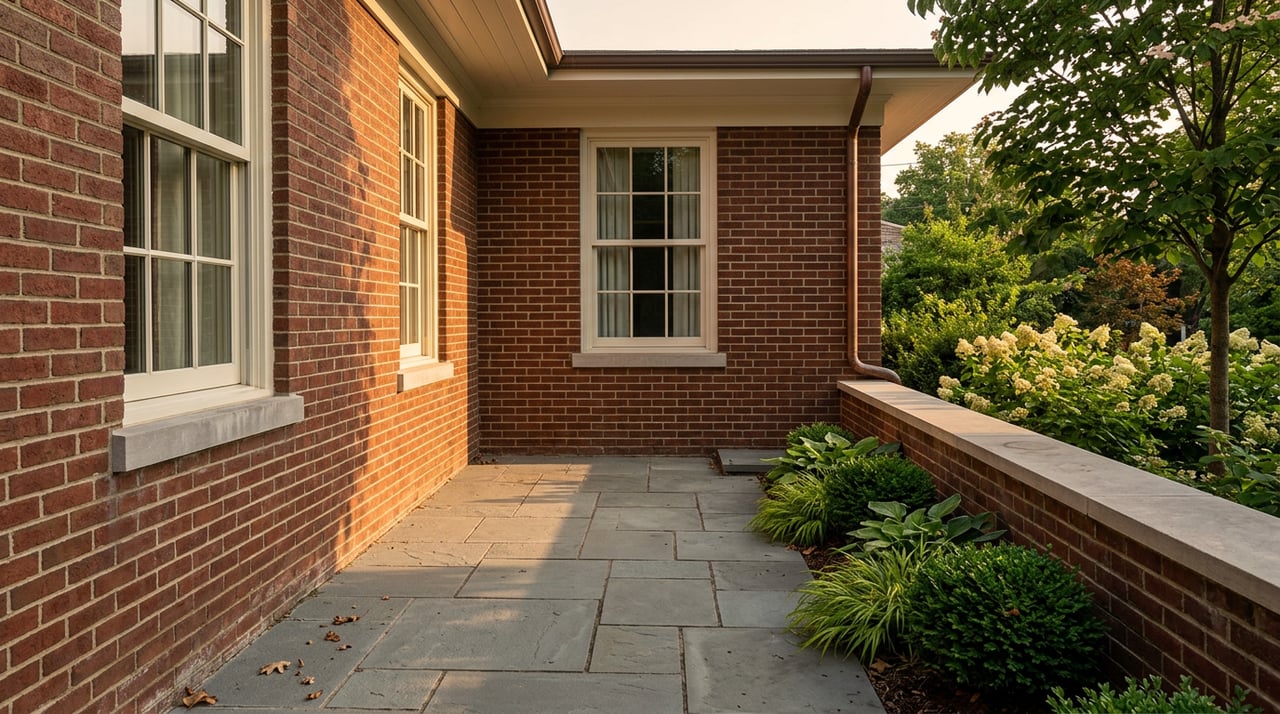
One of the biggest lifestyle benefits of living on land in Laytonsville is simple: you have more room to use your home the way you want. Larger lots can create more separation between homes, more outdoor space for everyday use, and more flexibility for features that are hard to fit on smaller suburban parcels.
That extra room can support a wide range of goals. You may want space for gardening, outdoor entertaining, a pool, a detached garage, or just a larger yard to enjoy. In Laytonsville, the appeal is often less about packing amenities into a tight footprint and more about having room to spread out.
A Rural Setting with County Context
Laytonsville’s land-oriented feel does not happen by accident. A major reason is Montgomery County’s Agricultural Reserve, which covers 93,000 acres, or about one-third of the county. The county says this area helps protect farms, locally produced food, horse recreation, and broad rural views.
For you, that larger county framework matters because it helps preserve the open landscape that many buyers value. The reserve is also tied to development limits in agricultural areas, including AR zoning that limits development to one house per 25 acres in those areas. Even if your future property is not inside that zoning category, the surrounding land-use pattern still shapes the overall feel of the area.
Larger Lots Still Exist Here
If you are wondering whether larger lots are still realistic in and around Laytonsville, the answer is yes. County fire-rescue planning documents describe Laytonsville Preserve as roughly 75 single-family homes on 1 to 2 acre lots. The same document also references another future Laytonsville neighborhood of about 60 single-family homes on the Stadler Nursery property.
Those details matter because they show that even when housing is added, the pattern can remain spacious. You are not necessarily choosing between total isolation and dense subdivision living. In this part of Montgomery County, there are still opportunities to find homes in settings where lot size is part of the appeal.
Private Outdoor Space Plus Public Recreation
Living on land often works best when you also have nearby outdoor amenities. Laytonsville offers both. Near town, Blue Mash Nature Trail includes a mixed-use trail for hikers, bicyclists, and horseback riders, with parking at the Route 108 entrance.
The town is also served by Laytonsville Local Park, an 11.4-acre park with a playground, picnic shelter, basketball court, soccer field, and softball field. For you, that creates a nice balance. You can enjoy your own outdoor space at home while also having public places nearby for recreation and time outside.
Lifestyle Benefits Buyers Often Want
When buyers picture living on land in Laytonsville, a few benefits come up again and again.
More privacy
With a larger lot, you may have more distance between your home and neighboring properties. That added separation can make outdoor living feel more relaxed and can create a quieter day-to-day setting.
More room for hobbies
Extra land can open up possibilities that are harder to achieve on smaller lots. Depending on the property and local rules, you may have room for gardens, outdoor gathering areas, storage buildings, or other accessory uses.
More flexibility over time
A larger parcel can give you more options as your needs change. You might use the land differently over the years, whether that means improving outdoor areas, adding approved structures, or simply preserving open yard space.
A stronger connection to the landscape
In a semi-rural setting, the visual experience is different. Broader views, open space, and a less built-up pattern can make home feel calmer and more removed from the pace of denser areas.
What Types of Properties You May Find
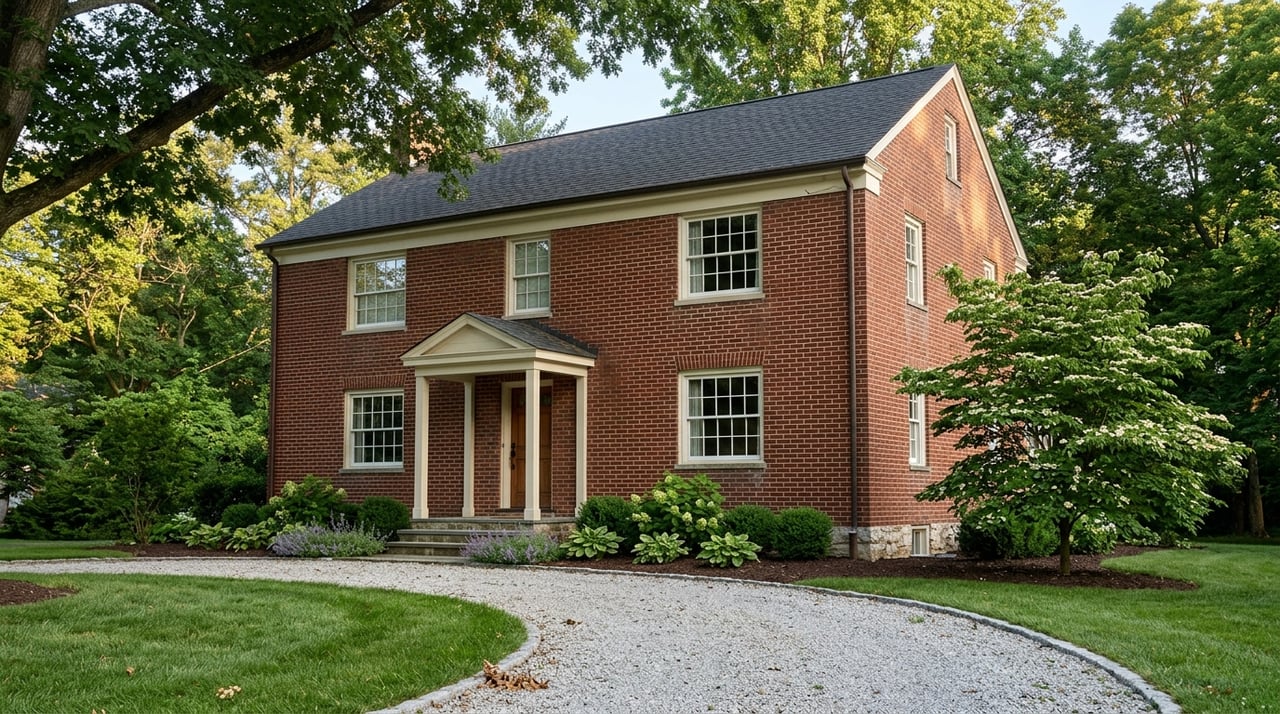
In Laytonsville, land-focused buyers are more likely to encounter small-town lots, larger residential parcels, historic homes, and estate-style settings than dense townhouse or apartment clusters. The town’s comprehensive plan is intended to guide future development while preserving the town’s history, which helps explain that overall pattern.
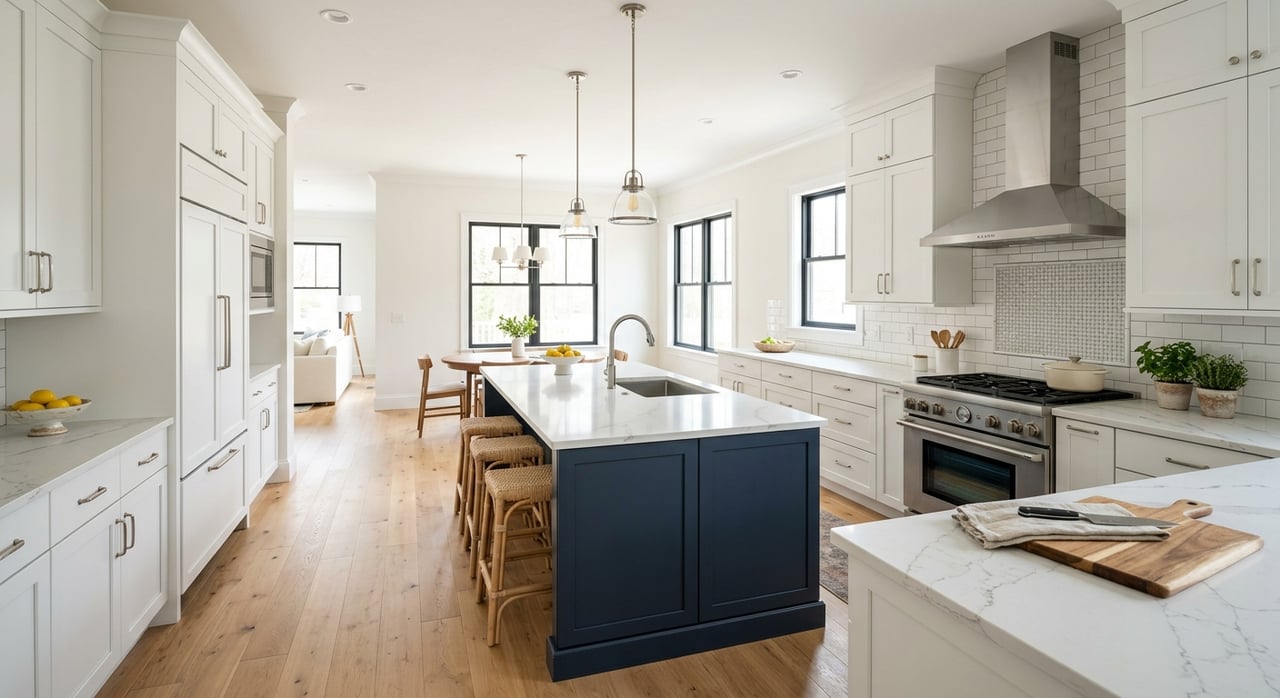
Historic properties are also part of the local housing story. The town’s historic district commission notes that properties in the historic residential and historic commercial zones may need approval for alterations, improvements, or additions. If you like older homes with character, that can be a meaningful factor in both the buying process and your long-term plans for the property.
Local Rules Matter More Than You Think
One of the most important practical points about buying land in Laytonsville is that zoning is handled locally. According to Laytonsville planning information, the town has its own planning commission, historic district commission, board of appeals, zoning map, and comprehensive plan. Montgomery Planning also notes that zoning for Laytonsville is maintained independently and should be verified separately.
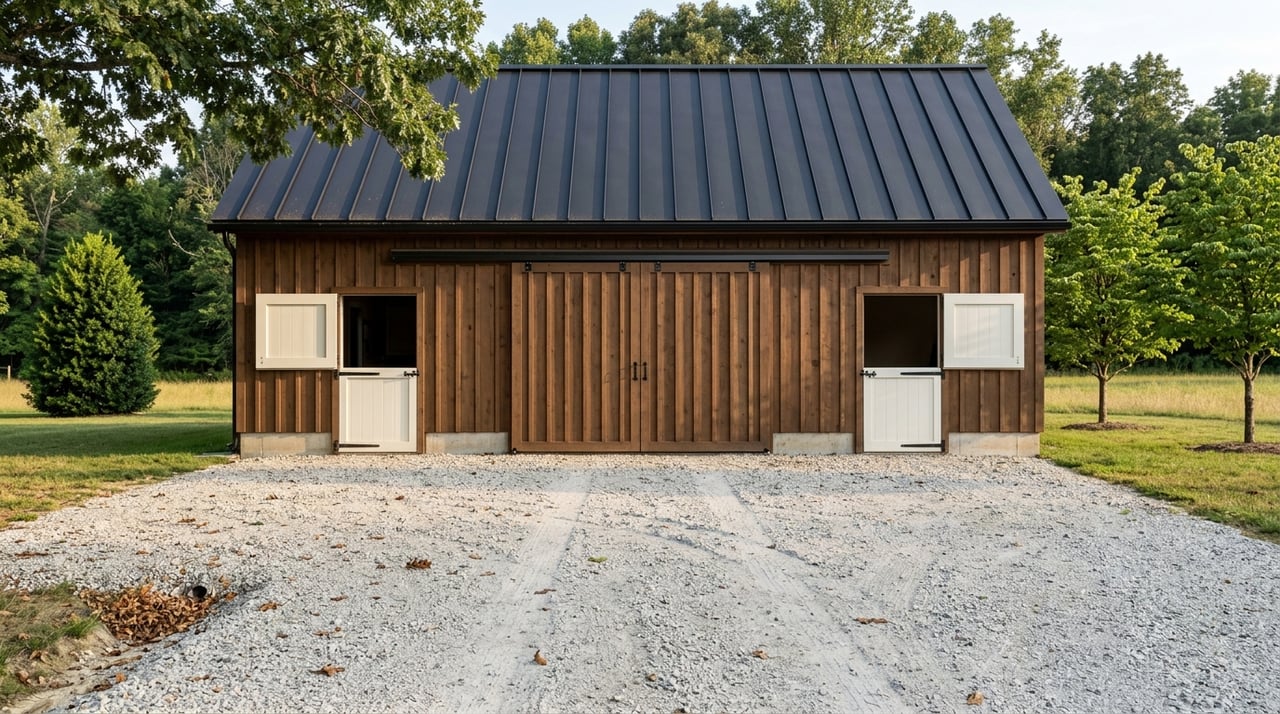
That means you should not assume countywide rules automatically apply the same way here. If you are considering a property because you hope to add a shed, barn, detached garage, fence, pool, or driveway improvement, it is smart to verify the parcel’s zoning and approval path before you move forward.
Permits to Check Before You Buy
Laytonsville’s permit pages are especially useful for land-focused buyers. The town says its forms and permit information address local questions tied to the building permit ordinance, zoning map, and zoning ordinance. The site also lists permits for new buildings, driveways, fences, swimming pools, tree removal, and temporary storage pods.
This matters because more land can create more possibilities, but it can also create more review points. If you are evaluating a property for future improvements, it helps to confirm not just what fits physically on the lot, but what is allowed under local rules.
Historic Homes May Offer Added Value
If you are considering an older property, there may be a financial upside to preserving it. Laytonsville’s historic preservation tax credit program says eligible exterior preservation work may qualify for a Montgomery County tax credit equal to 25 percent of qualified costs.
For you, that does not mean every project will qualify, but it does show that some historic properties can offer more than charm alone. If a home falls within the historic district, it is worth understanding both the approval requirements and the potential tax credit benefits.
The Main Tradeoff to Consider
Living on land in Laytonsville can be rewarding, but it is important to go in with clear expectations. More land can mean more privacy, more outdoor options, and more flexibility. It can also mean more maintenance, more planning, and more local regulations to review.
That tradeoff is not a drawback for every buyer. In fact, for many people, it is the whole point. If you value space and want a property that supports a quieter, more open lifestyle, Laytonsville offers a setting that is increasingly hard to find in Montgomery County.
Is Laytonsville Right for You?
If you want a home where the land itself is a big part of the value, Laytonsville deserves a closer look. The town’s semi-rural identity, larger-lot development pattern, nearby recreation, and emphasis on preserving its character all support a lifestyle built around space and flexibility.
The key is making sure the property matches your goals, both now and later. If you are exploring Laytonsville homes or want help evaluating lot size, zoning considerations, and long-term resale potential, connect with Robert T Dinh for local guidance backed by a data-driven approach.
FAQs
Is Laytonsville a rural area in Montgomery County?
- Laytonsville is described by the town and county as a semi-rural community with open space, which supports its more spacious and less dense feel.
Are large lots common in Laytonsville real estate?
- Larger lots are part of the local pattern, and county documents describe Laytonsville Preserve as having single-family homes on 1 to 2 acre lots.
Can you add a shed or barn on land in Laytonsville?
- Possibly, but you should verify local zoning and permit requirements with the town because Laytonsville handles zoning and approvals independently.
Do historic homes in Laytonsville have extra rules?
- Yes, properties in the historic residential and historic commercial zones may need approval for certain alterations, improvements, or additions.
What are the outdoor lifestyle benefits of living in Laytonsville?
- Living in Laytonsville can combine private outdoor space with access to nearby recreation like Blue Mash Nature Trail and Laytonsville Local Park.