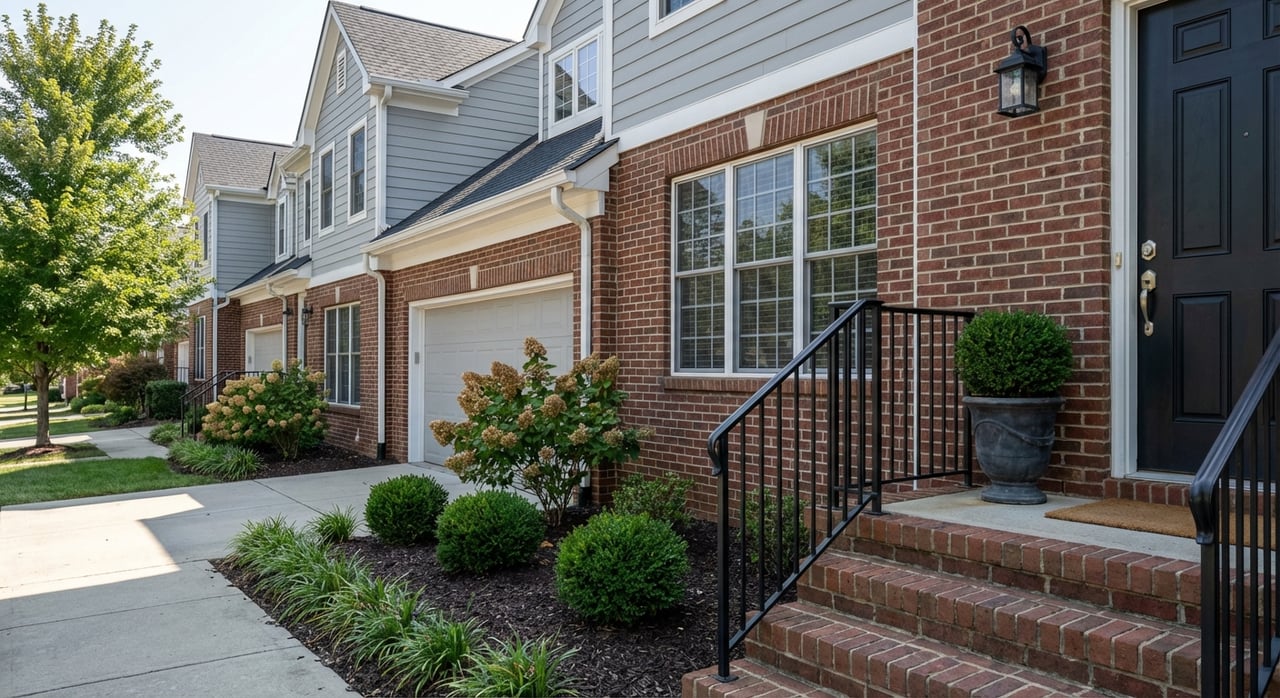
Thinking about buying a townhome in Germantown? You have plenty of options, but the smartest move is to understand the HOA, fees, and neighborhood details before you fall in love with a listing. With a few key checks, you can avoid surprise costs and feel confident about your monthly budget and long-term resale. This guide walks you through local pricing context, HOA rules in Maryland, amenities and parking patterns, and a printable checklist you can use during due diligence. Let’s dive in.
Germantown market basics
Germantown townhome prices cover a wide range based on age, size, finishes, and micro-location. Broad indicators put recent home values in the low-to-mid $400,000s, but actual prices vary across areas like Town Center, Kingsview Village, Clopper’s Mill, Middlebrook Manor, Churchill Village, and the Milestone and Watkins Mill corridors. Use these figures as high-level signals and confirm current pricing with active MLS listings and block-level comps when you are ready to write an offer.
When you compare neighborhoods, look beyond list price. Weigh HOA dues, parking, commuting convenience, and amenity quality. A newer, amenity-rich community can carry higher monthly costs but may offer stronger resale if the association is well managed.
HOA rules that matter
Reserve studies and dues
Maryland requires many condominium associations to conduct periodic reserve studies and update them at least every five years. Boards must adopt a funding plan that works toward the study’s recommended reserve levels. These rules directly influence dues and the risk of special assessments. You can review the condominium statute in Maryland Real Property §11-109.4. Homeowners associations have similar standards under §11B-112.3.
The takeaway: a healthy, recently updated reserve study and a clear funding plan are strong signs of good financial stewardship. Underfunded reserves can lead to fee increases or special assessments.
Your resale package rights
When you buy a condo or a home in an HOA in Maryland, you are entitled to a resale certificate and a package of governing and financial documents. The package must include the current operating budget, a reserve study or summary, insurance information, disclosures of unpaid assessments, planned capital expenditures, and any known litigation. By law, the seller or association must deliver this no later than 15 days before closing, and you have a 7-day right to rescind after receiving the full package. See Maryland Real Property §11-135 for details.
What HOAs can enforce
Under the Maryland Homeowners Association Act, HOAs can impose mandatory assessments, late charges, liens, and reasonable rules and fines, but they must follow due process and their own governing documents. Courts have limited certain abusive practices. Ask for the declaration, rules, and the fee and collection policy to see how enforcement works. For a practical overview, review the state’s HOA framework in Title 11B.
Short-term rentals and licensing
If you plan to rent your home short-term, check both the HOA rules and county licensing. Montgomery County requires licensing and has specific short-term rental rules that may overlap or conflict with your community’s covenants. Start with the county’s short-term rental FAQ, then confirm HOA limits in the CC&Rs and resale package.
What HOA fees usually cover
Many Germantown townhome communities include a mix of services in the dues. Common items include:
- Landscaping and snow removal for common areas
- Trash and recycling collection
- Exterior building maintenance if covered by the association
- Insurance for common elements or, in some cases, the building envelope
- Pool, clubhouse, tennis, playgrounds, and trail maintenance
- Professional management and reserve contributions
Fees vary widely by vintage and amenities. Local examples show monthly dues often in the low hundreds for communities with pools and clubhouses, while basic or smaller associations can be less. A Washington Post profile of a long-standing Germantown townhouse neighborhood reported an HOA fee around $92 per month as one example, illustrating how ranges can differ by community. You can read that neighborhood snapshot in the Washington Post. Always verify the exact dues and what they cover for the specific home you are buying.
Important: Utilities like electricity, gas, and water are often your responsibility. Parking permits or guest passes can also carry separate costs. The resale certificate and CC&Rs outline these responsibilities.
Parking, outdoor space, and amenities
Parking setups vary. Many townhomes in Germantown offer an attached garage and driveway space, while smaller units may rely on assigned surface parking. If parking is crucial to your daily life, ask the HOA to confirm the number of assigned spaces and guest policies in writing.
Expect compact private spaces. Most townhomes offer a deck or small patio rather than a large yard. Many communities maintain shared greens, playgrounds, or trails.
Amenities can support resale if they are well maintained. Pools, clubhouses, and private trails tend to raise dues but also attract future buyers. If reserves are low or amenities need major repairs, you could face special assessments. The HOA reserve study and meeting minutes help you gauge this risk. HOAs must plan funding for capital items under §11B-112.3.
New build vs established communities
Newer Germantown townhomes often deliver open layouts, contemporary finishes, and limited builder warranties. Early budgets in new communities can change as the developer transitions control to homeowners. Roads, utilities, and public elements may still be completing during your first year. Review the builder’s warranty and any transition documents, and make sure the association has a path to a fully funded reserve plan under §11B-112.3.
Established neighborhoods provide mature trees, settled routines, and a paper trail. You can read meeting minutes and past budgets to understand how the community operates. Older components like roofing, paving, and siding may be due for replacement if reserves lag. The Washington Post’s Germantown profile offers a useful look at an older community’s rhythm.
Commute and daily life factors
Germantown is popular for its access to I-270, the Germantown Transit Center, and the MARC Brunswick Line. For a sense of current and planned improvements, explore the county’s Germantown Upcounty transportation page. If a commute is part of your decision, test the drive at your usual times.
Also consider practical budget items:
- Property taxes and any special taxing districts that affect your monthly payment
- HOA rules about rentals if you plan to rent later
- School boundaries and bus routes through MCPS service maps, which can change over time
Printable buyer checklist
Use this as your one-page checklist. Order the resale documents immediately after you ratify a contract. State timelines apply, and associations often charge a fee.
Documents to order
- Resale certificate and full disclosure package with budget, reserve study or summary, insurance information, unpaid assessments, planned capital work, and litigation disclosures. Your 7-day rescission period starts on delivery. See Md. Real Property §11-135.
- CC&Rs/Declaration, Articles of Incorporation, Bylaws, Rules, and Architectural Guidelines.
- Current-year budget, last 2 to 3 years of financial statements, the latest reserve study, and the reserve-fund balance. For HOA reserve requirements, review §11B-112.3.
- Board meeting minutes for the last 12 to 24 months.
- Insurance summary or master policy declarations page with deductibles and coverage notes.
- Litigation disclosures with any pending claims against the association.
- Management contract and vendor contracts for major services like snow, pool, and landscaping.
10 questions to ask the HOA
- Is there an up-to-date reserve study? When was it done and what % funded is the reserve? (If no study, that’s a red flag per state law.)
- Any special assessments approved, pending, or being considered in the next 12–36 months? If yes: purpose, amount per unit, and payment schedule.
- What exactly does the monthly HOA fee cover (trash, exterior maintenance, roof, master insurance, snow removal, pool, etc.)? Request the line-item budget.
- Are there rental caps or short-term-rental prohibitions in the governing documents? Are any properties currently operating as short-term rentals? (Also check county short-term rental licensing requirements.)
- What is the owner-occupancy percentage vs investor-owned units? (High rental concentration can affect financing and resale demand.)
- What are the parking rules and guest-parking policies? Any assigned spaces? Is on-street parking restricted?
- Are there any pending or threatened lawsuits involving the association or large deferred capital projects? Ask for documents and counsel contact if under litigation.
- What vendor contracts/major contracts will expire in the next 12–24 months (elevator, pool, snow, landscaping)? Could that change dues materially?
- Who enforces rules and how are fines/impositions handled? (Request the fine schedule and examples of recent enforcement actions.)
- How often are budgets reviewed and dues adjusted, and what is the meeting schedule for these decisions?
Tip: If rental flexibility is important, review your documents and the county’s short-term rental rules. For a primer on HOA rental limits in Maryland, see this overview from FirstService Residential.
Red flags to watch
- Repeated or recent special assessments without a clear long-term plan
- Low or negative reserve balances or an outdated reserve study
- Audits or reviews that flag material deficiencies
- Frequent board turnover, inconsistent rule enforcement, or unusual fine patterns
- Large amenities in need of repair with no designated funding plan
These issues can signal near-term fee pressure or friction in the community. State law expects associations to plan and fund reserves at responsible levels, so verify that your HOA complies with §11B-112.3.
How we help you buy with confidence
You deserve a clear path from first tour to smooth closing. Our team pairs local Germantown knowledge with a data-first process. We help you compare true monthly costs, read HOA budgets and reserve studies, line up inspections and contractors, and negotiate the details that matter. If you are choosing between newer master-planned communities and older neighborhoods, we will help you weigh the amenity-versus-fee tradeoff and the long-term resale picture.
Ready to talk strategy for your Germantown townhome search? Reach out to Robert T Dinh for local guidance and a clear plan to win the right home.
FAQs
What should I budget beyond the mortgage for a Germantown townhome?
- Plan for HOA dues, utilities, insurance, property taxes, and reserve-related assessments. Many communities land in the low-hundreds per month for dues, but verify the exact amount and coverage in the resale package.
How do Maryland reserve study laws affect my costs?
- Associations must conduct periodic reserve studies and adopt funding plans, which can raise dues or reduce assessment risk. Review the study and budget under §11-109.4 and §11B-112.3.
What are my rights if the resale package shows problems?
- You have a 7-day right to rescind after receiving the full resale package that meets state requirements. Confirm details in Md. Real Property §11-135.
Will amenities help or hurt resale value?
- Well-maintained amenities can support demand but usually increase dues. If reserves are weak or major repairs loom, resale can suffer due to fee hikes or assessments. Check the reserve study and minutes.
Can I run a short-term rental from my Germantown townhome?
- Maybe. You must comply with county licensing rules and any HOA restrictions. Start with the county’s short-term rental FAQ and confirm your HOA’s covenants before you buy.