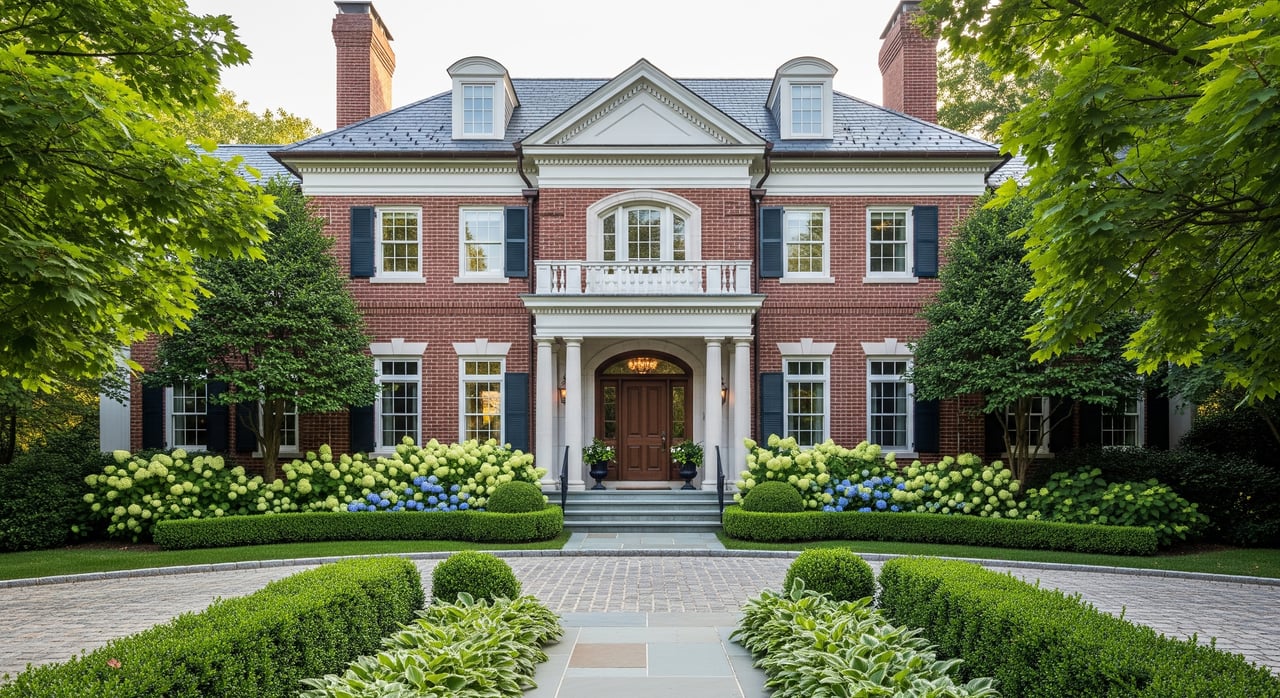
Pricing your home is the single biggest lever you control as a seller. Set it right and you can attract strong buyers fast, spark healthy competition, and protect your net proceeds. Set it wrong and you risk long days on market and painful price cuts. In this guide, you’ll learn how to read Gaithersburg’s micro-markets, choose a smart list-price strategy, and decide what to fix before you list so you keep more at closing. Let’s dive in.
Know your Gaithersburg micro‑market
Gaithersburg is a patchwork of distinct submarkets. Kentlands and Lakelands behave differently from Olde Towne. Townhomes near Washingtonian Center draw different buyers than single-family homes in peripheral subdivisions. Price with hyperlocal data, not just county averages.
Before you set a price, ask your agent for:
- 30–90 day comparable solds that truly match your home’s type, size, finish level, and location.
- Active and pending competition in your price band, plus their list-to-sale paths.
- Median days on market (DOM) for both sold and active listings nearby.
- Sale-to-list price ratios over the last 30–90 days.
- Price-cut frequency on current listings in your segment.
- Inventory by price band to see buyer leverage and urgency.
- Price per square foot trends to normalize comps quickly.
- Buyer financing environment and current mortgage rates that shape affordability.
For current numbers, your agent will pull a local CMA and market stats from Bright MLS. You can also verify lot size, taxes, and recorded data using the Montgomery County property search and GIS. For countywide context, review the latest summaries from Maryland REALTORS. To track rate pressure on demand, check the Freddie Mac Primary Mortgage Market Survey.
Tip: Always base pricing on the most recent 30–90 days of activity in your micro‑market. Conditions shift quickly.
How agents build your price
A strong Comparative Market Analysis (CMA) blends recent solds, pending sales, and active listings. Recent closed sales in the same micro‑market and similar condition carry the most weight. Older or less comparable sales get smaller adjustments.
Key CMA adjustments include square footage, lot size, garage and parking, finished basement, renovation level, and date of sale. Your agent will weigh these to deliver a recommended price range and a suggested list price within that range. Ask for the rationale and a plan for how to adjust if the market feedback is different from expectations.
What to request from your agent:
- A side‑by‑side of 5–8 true comps with line‑item adjustments.
- A map of active and pending competitors in your price band.
- A 7‑, 14‑, and 21‑day check‑in plan to review traffic, feedback, and next steps.
Proven list‑price strategies
Choosing how to price is as important as choosing the number. Here are common approaches that work in Gaithersburg, with when to use each.
1) Market‑value list
- Best when: Comps are plentiful and competition is balanced.
- Objective: Attract qualified buyers who pay near list, typically within about 1–3 percent of market value.
- Watch out for: Even a slight premium over perceived value can extend DOM.
2) Light underpricing to drive showings
- Best when: Inventory is low or the home has broad appeal in a tight price band.
- Objective: Price 1–5 percent below market to increase traffic and encourage multiple offers.
- Watch out for: If demand is soft or the home is niche, you may not get bidding pressure.
3) Strategic price‑banding
- Best when: You can land just below a common search cutoff to appear in more results.
- Example: $499,900 instead of $500,000 to catch both under‑$500k and $500k filters.
- Watch out for: Do not sacrifice real value for a gimmick. Test against your actual comp set.
4) Anchor pricing above market
- Best when: The home has rare features with limited comps and you expect negotiation.
- Objective: List high to set a negotiation anchor and leave room to come down.
- Watch out for: Fewer showings, longer DOM, and buyer skepticism.
5) Competitive launch with an offer deadline
- Best when: Your segment is hot and multiple offers are likely.
- Objective: Price competitively, market widely, and set a clear deadline to create urgency.
- Watch out for: You need disciplined marketing and strong offer management.
Condition and presentation ROI
Buyers price in the cost and hassle of work. Plan your fixes with a simple cost‑benefit lens.
- Low‑cost, high‑impact: Fresh neutral paint, carpet cleaning or replacement, lighting updates, curb appeal, and minor repairs usually pay back with more showings and stronger offers.
- Market‑expected updates: Kitchens and baths can help in certain price bands. Compare project cost to likely price lift in your comp set.
- Major systems or structural items: Either complete repairs or disclose and price accordingly. Lenders and appraisers weigh these heavily.
Staging and presentation matter. Industry research indicates that staged homes often sell faster and can achieve higher prices, though the uplift varies by market and price tier. Explore current findings in NAR’s research and statistics. In Gaithersburg, tactical staging that depersonalizes, clarifies room purpose, and enhances curb appeal usually outperforms heavy, expensive installs for lower‑priced homes.
Pre‑listing inspections can also help. They surface issues early, reduce buyer friction, and cut the chance of surprise credits later. Pair this with professional photography and daylight exterior shots for maximum impact.
Timing, DOM, and price moves
Listings that secure offers in the first 7–14 days often sell closer to list price. As DOM grows, buyer urgency can fade, and low‑ball attempts become more likely. If you miss early traction, one well‑supported reduction usually beats a series of small cuts.
Your review plan should be in writing. After the first 10–14 days, assess showing count, feedback themes, and how new competitors have entered your band. Decide whether to hold firm, adjust presentation, or reduce to a clear new price point.
Protect your net proceeds
Getting a great offer is not only about price. Terms, financing strength, and appraisal risk shape your bottom line.
- Multiple offers: Use clear deadlines, require pre‑approvals and proof of funds, and invite escalation clauses where appropriate. Consider whether a preemptive offer is worth accepting.
- Appraisal gaps: If the contract price exceeds appraised value, someone must bridge the gap. Favor buyers with larger down payments, cash, or appraisal gap language when risk is high. Pricing within typical appraisal ranges reduces surprises.
- Closing costs and credits: Your net sheet should include commission, transfer and recording charges, prorated taxes and HOA dues, repair credits or warranties, and your mortgage payoff. Request a best‑case and conservative scenario to see the tradeoffs.
- Timing costs: Longer DOM increases carrying costs like utilities, taxes, mortgage payments, and HOA fees. Price and prep to sell within the first market cycle if possible.
Neighborhood notes: Gaithersburg submarkets
- Kentlands and Lakelands: Planned communities with walkable layouts and varied architecture. Buyers often seek homes that feel move‑in ready.
- Olde Towne: Mix of historic homes and smaller lots near downtown amenities. Presentation and maintenance clarity can be important to buyers.
- Washingtonian Center and Lakeforest area: Condos, townhomes, and newer construction near retail and transit. Clear HOA or condo fee information and reserve health help buyers compare options.
- Peripheral subdivisions: Pricing can vary by school boundaries, commute routes, and home size. Expect more price sensitivity where inventory is higher.
Keep neighborhood language neutral and specific. Focus on features, access, condition, and objective data.
Seller action checklist
Get organized early. This speeds your timeline and strengthens your pricing case.
- Property facts: Deed, mortgage payoff info, and the latest property tax bill.
- HOA or condo docs: Bylaws, budget, reserves, and any recent reserve study.
- Upgrades list: Dates, receipts, and warranties for major improvements.
- Measurements: Verified square footage and a simple floor plan sketch.
- Inspections: Any past reports and service records.
- Utility averages: Recent bills for buyer reference.
- Comps to consider: Addresses you believe are similar, with notes on differences.
Use the Montgomery County property search to confirm public data. Your agent will supplement with a detailed CMA from Bright MLS.
Next steps
If you want a pricing plan that reflects your exact micro‑market, let’s talk through the data, presentation, and launch strategy. Connect with Robert T Dinh to get your instant home valuation and a customized CMA that helps you price with confidence and sell with strong terms.
FAQs
How precise should my Gaithersburg list price be?
- Aim for a defensible price within a tight range based on recent local solds, since even small percentage differences can change search exposure and buyer perception.
What if I want to test a higher price first?
- Set a firm 10–14 day review timeline, monitor showings and feedback, and be ready for a single, meaningful reduction if the market response is soft.
Should I repair or offer a price credit instead?
- Make visible, low‑cost updates before listing and use estimates to decide on bigger items, since buyers often discount for hassle and lenders weigh major systems heavily.
How do multiple offers affect my bottom line?
- Multiple offers can push price up, but review terms, financing strength, contingencies, and appraisal gap language to understand your true net proceeds.
How do mortgage rates influence my pricing strategy?
- Higher rates reduce affordability and can compress demand, so monitor trends on the Freddie Mac PMMS and price within ranges that match current buyer pools.
Where can I verify property details used in my CMA?
- Confirm lot size, assessed value, and tax data through the Montgomery County property search and GIS and ask your agent to cross‑check in Bright MLS.