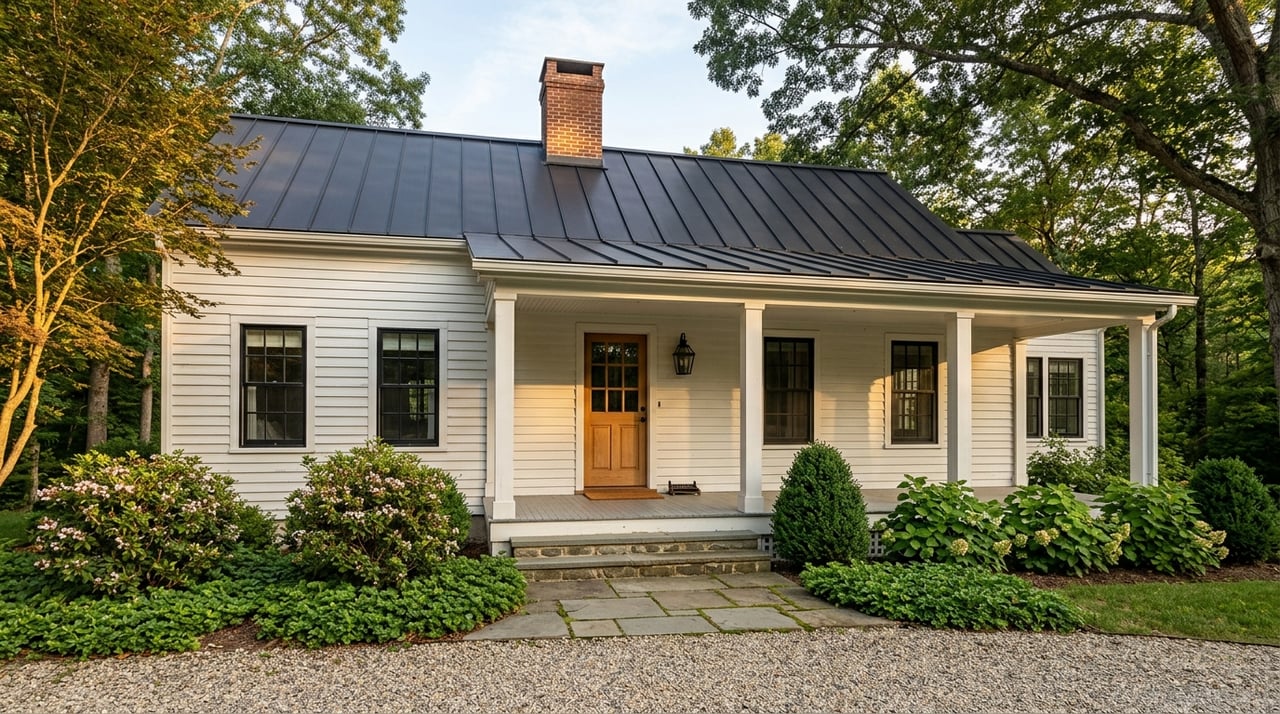
Thinking about selling your farmhouse, stone cottage, or wooded-lot retreat in Brookeville? You want to honor its history and still get top dollar, but you may wonder how to handle repairs, staging, pricing, and the town’s preservation rules. This guide gives you a step-by-step plan to prepare, price, and market a character home in Brookeville with confidence. You will learn what to disclose, how to showcase original features, where to find the right buyers, and what timeline to expect. Let’s dive in.
Brookeville’s character and rules
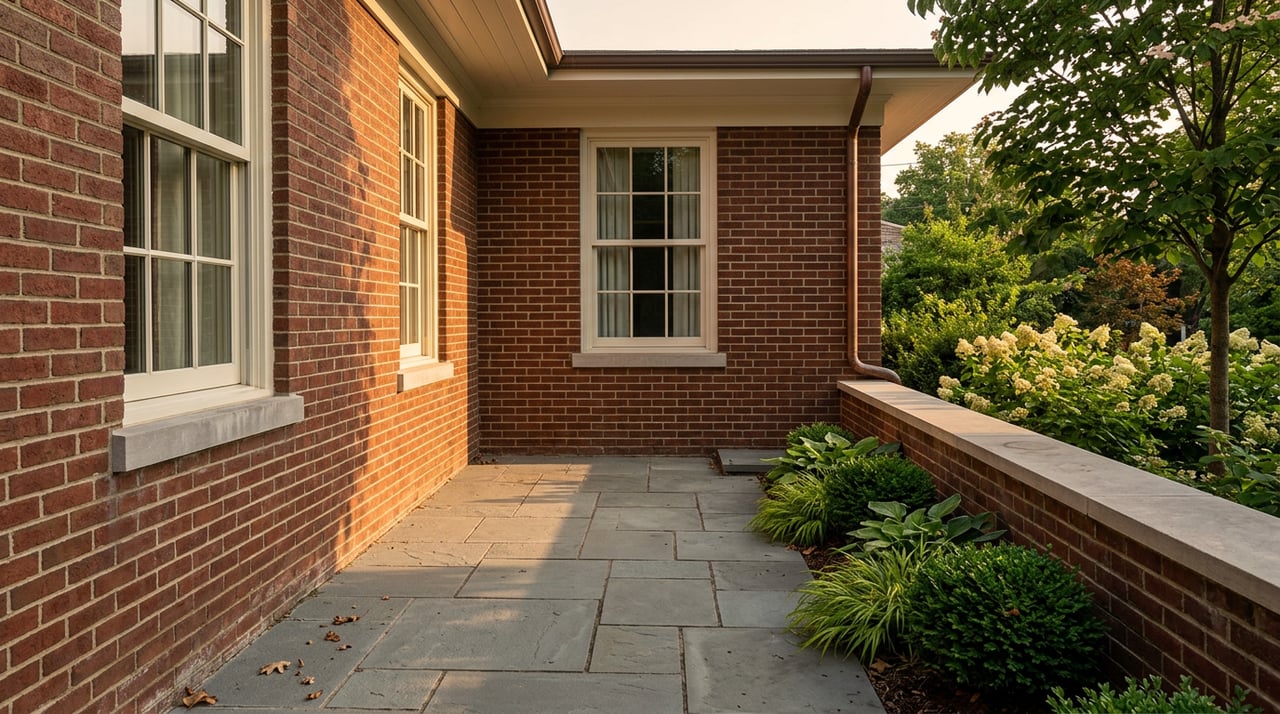
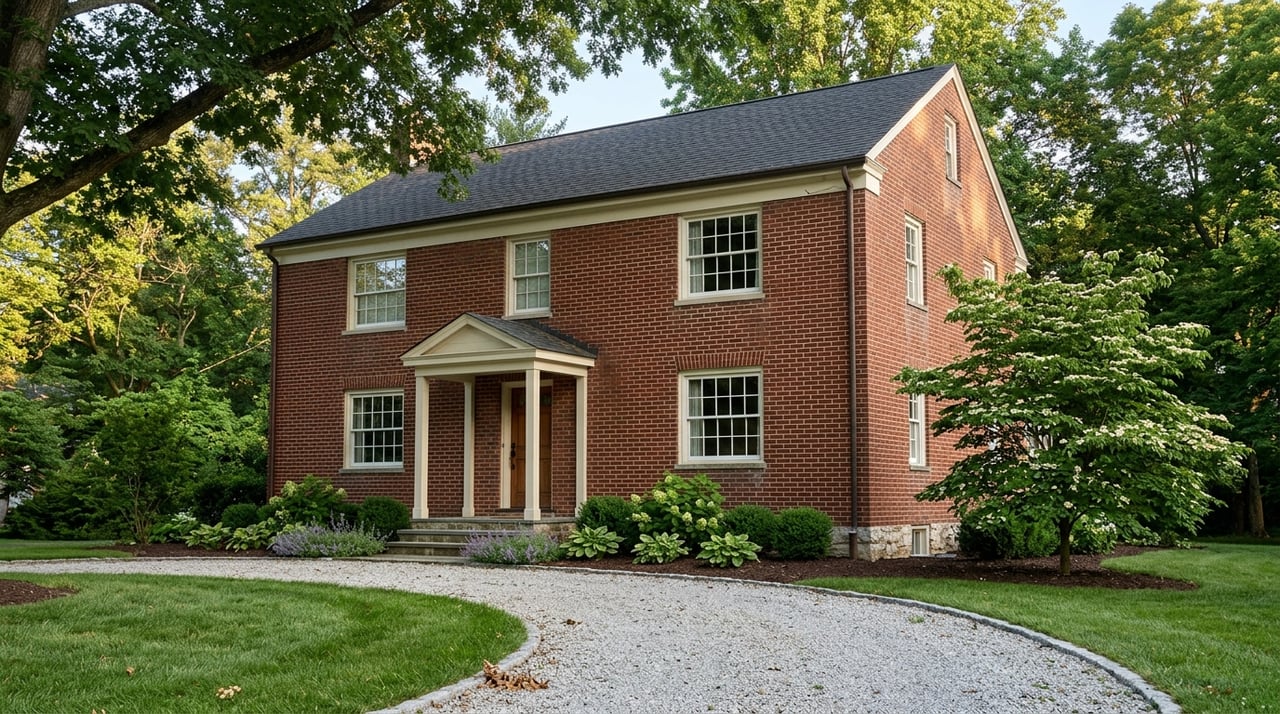
Brookeville sits within the Brookeville Historic District, listed on the National Register of Historic Places, known for its 18th–19th century buildings and tree-lined setting. You can read the district summary on the Maryland Historical Trust’s listing for the Brookeville Historic District.
If your property is in the historic district, exterior work and new construction may require review under Montgomery County’s preservation ordinance and could need a Historic Area Work Permit. The county’s Brookeville historic district guidance outlines the review context for exterior changes such as additions, siding, windows, and driveways. See the county’s planning document for the Brookeville Historic District.
The Town of Brookeville’s Comprehensive Plan also highlights coordination with county preservation processes. That means buyers should understand that exterior alterations are reviewed and may come with conditions. You can find the town’s planning context in the Town of Brookeville Comprehensive Plan.
What this means when you sell:
- Be precise about what exterior changes are likely permitted and the steps involved.
- Build extra time into your timeline for buyer due diligence on exterior upgrades.
- Include clear references to preservation review in your listing materials.
Disclosures and due diligence in Maryland
Maryland law requires you to provide either a Residential Property Disclosure Statement or a Disclaimer Statement for single-family residential property. The statute covers categories such as water and sewer systems, insulation, roof, foundation, plumbing, electrical, HVAC, pests, land-use matters, and hazardous or regulated materials like lead-based paint, radon, asbestos, and underground storage tanks. It also sets timing for delivery and outlines buyer rescission rights. For an overview, review the court discussion citing Real Property §10-702 in this Maryland appellate document.
An “as-is” sale does not remove your duty to disclose known latent defects. Complete the Maryland Residential Property Disclosure/Disclaimer and attach support where helpful. Gather permits and invoices for major repairs, septic or well documentation if applicable, and any inspection reports. Clear documentation builds buyer confidence and can prevent renegotiation later.
Recommended pre-listing inspections for older homes:
- General home inspection and wood-destroying insect inspection
- Chimney inspection and cleaning if used
- Electrical review for older wiring types and service capacity
- HVAC service and filter replacement
- Roof evaluation and gutter maintenance
- Septic and well testing if present
- Radon test and, for pre-1978 homes, a lead-paint risk assessment
These categories align with what Maryland requires you to disclose. Addressing them up front helps your sale run smoothly.
Prepare your character home
Document and package the story
Buyers of period homes value authenticity. Collect and organize your home’s provenance and architectural details. Helpful items include historic photos, original plans or permits, restoration receipts, and a list of surviving features like original floors, mantels, moldings, and built-ins. The Maryland Historical Trust’s summary for the Brookeville Historic District can provide useful context when you describe the home’s place in town history.
Smart repairs vs. disclosures
You do not have to fix everything before listing, but you must disclose known latent defects. Focus your budget on items that affect safety and financing, such as roof leaks, structural issues, failing mechanicals, or active pests. Consider offering buyers options for cosmetic or period-accurate updates. Honest disclosures and strategic fixes reduce the risk of surprises during inspections and appraisals.
Staging and media that sell
Staging helps buyers visualize living in your home. According to the National Association of REALTORS’ Profile of Home Staging, 81 percent of buyers’ agents said staging made it easier for buyers to see a property as their future home, and about 20 to 23 percent reported 1 to 5 percent higher offers for staged homes. The median spend reported for staging services was about 600 dollars, which is a helpful benchmark. See the 2023 report for details in the NAR Profile of Home Staging.
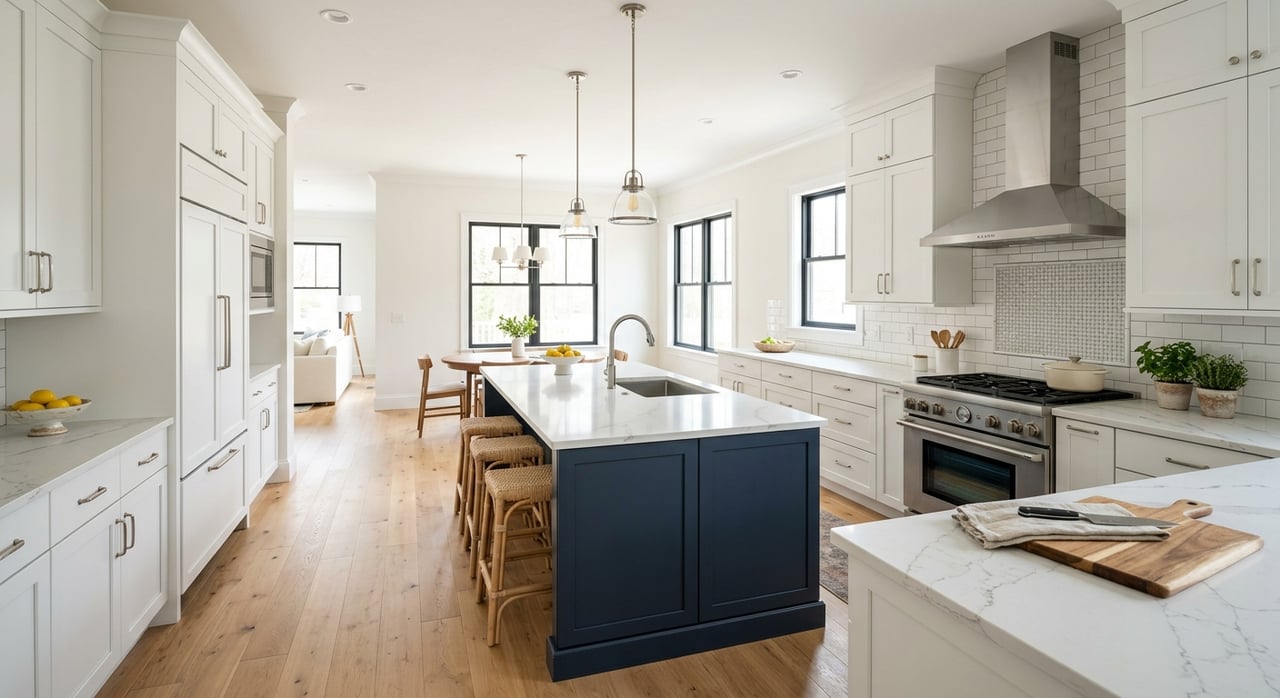
Prioritize the living room, kitchen, and primary bedroom. Keep decor neutral to let character details sing. Invest in high-quality photos, a floor plan PDF, and a short video or narrated tour. Photos and video are among the most important listing assets.
A helpful photo checklist:
- Detail shots of trim, mantels, stair newels, and built-ins
- Wide room photos for scale and flow
- Exterior views that show mature trees and setting
- Dusk or twilight images if outdoor lighting creates ambiance
- Clear floor plan and a brief guided video tour highlighting both character and modern systems
Create a listing dossier
Bundle everything into a single downloadable packet or microsite. Include floor plans, the home’s history, inspections, permits and receipts, any HAWP or district guidance, and a short guide to sympathetic updates. A tidy dossier reduces buyer friction and signals that you have cared for the home.
Price and appraise with care
Brookeville is a small, niche market, which makes price discovery more nuanced. County data can provide context, but you should not expect it to map directly to your home. For example, a GCAAR report for February 2025 showed a Montgomery County median sale price near 598,500 dollars and low days on market. See the GCAAR February 2025 housing report. Later in 2025, county medians were in the mid-six-hundreds and average days on market hovered around one month. Unique homes in Brookeville can take longer because the buyer pool is narrower.
When comparables are scarce, appraisers may expand the search radius, lean more on the cost approach, and make careful adjustments for condition and authenticity. If you expect appraisal to be a hurdle, consider a pre-listing appraisal by someone experienced with historic or special-purpose properties. The Appraisal Institute offers guidance on these valuation issues, which you can reference when you select an appraiser. Learn more from the Appraisal Institute’s resources on historic properties.
Pricing strategy tips:
- Build a CMA that shows relevant sales, even if you must widen the timeframe or radius.
- Document restoration work and system upgrades that justify value.
- Avoid overpricing, which can lead to extended market time, and avoid underpricing, which can leave money on the table.
- Use a pre-listing appraisal to boost lender and buyer confidence if comps are thin.
Market to the right buyers
Target buyer profiles
The strongest candidates often include Washington-area buyers seeking a rural or wooded retreat, old-house enthusiasts and preservation-minded buyers, those open to non-standard floor plans, and privacy seekers who want acreage close to the DC metro. Speak to these motivations in your marketing.
Where to promote
Start with MLS, professional photos and video, and a clean floor plan. Add a property microsite or downloadable packet. Then widen your reach to niche historic-property audiences, including local preservation networks and specialty sites that attract period-home buyers. For visibility among dedicated old-house shoppers, see the agent and network directory at CIRCA Old Houses. Layer geo-targeted social ads and email outreach to agents who regularly work with historic homes.
Showings that tell the story
Host curated showings and open houses that highlight the home’s narrative. Provide a one-page history, label unique architectural features, and display key receipts or permits. A short guided tour can help buyers connect emotionally and see how the property blends character with livability.
Timeline and what to expect
Use county medians as a baseline and plan for more time. Montgomery County’s average days on market is about one month in a typical snapshot year. Character homes often need a longer runway due to a narrower buyer pool and out-of-area interest. Weekend showings, flexible scheduling, and a strong media package can shorten the path to an offer.
Budget for presentation. A professionally staged and photographed listing often pays for itself in buyer attention and offer strength. The NAR survey’s 600 dollar median for staging services can guide your spend. Compare that investment to the potential benefit of a quicker sale or a small improvement in offer price.
Plan for preservation questions. Buyers frequently ask what exterior changes are allowed. Point them to the county’s historic-district process and the town’s planning materials, and allow time for them to research potential HAWP needs. Clear communication upfront protects your timeline and your contract.
Quick pre-listing checklist
- Assemble documentation: permits, restoration receipts, surveys, past appraisals, and historic photos.
- Complete targeted inspections: general, WDI, chimney, septic or well as needed, radon, and lead risk for pre-1978 homes. Use these reports in your disclosure packet.
- Decide on repairs vs. price credits. Prioritize safety and items that could block financing.
- Hire a photographer experienced with period homes. Capture detail shots, wide rooms, setting, drone imagery for acreage, a floor plan PDF, and a guided video tour.
- Stage key rooms. Weigh the median staging spend against expected ROI.
- Confirm historic-district requirements. Include a plain-language summary of HAWP and review steps in your listing packet.
- Consider a pre-listing appraisal if comps are limited or your home is highly unique.
Ready to sell your Brookeville character home with a calm, data-driven plan that honors its history? Let’s build your strategy, from disclosures and staging to pricing and targeted outreach. Connect with Robert T Dinh to get a local, full-service team behind your listing.
FAQs
Repairs before listing a Brookeville character home
- You do not have to fix every issue, but you must disclose known latent defects. Focus on safety and finance-critical repairs, then disclose the rest and price accordingly.
Historic designation and marketability in Brookeville
- Designation narrows the buyer pool to those who accept preservation rules, but it also attracts buyers who value authenticity. Be clear about review requirements for exterior changes.
Staging vs. price reduction for a historic home
- Staging helps buyers visualize the home and can improve perceived value. With a modest median spend, it often costs less than a price cut and can support stronger offers.