If you price your Rockville home too high, the market usually tells you fast. Buyers today have options, and while demand is still solid, pricing mistakes do not disappear the way they sometimes did in tighter markets. The good news is that with the right strategy, you can position your home to attract serious attention and strong offers from the start. Let’s dive in.
Why pricing matters in Rockville
Rockville remains an active market, but it is also a market that rewards precision. Over the three months ending May 2026, homes in Rockville received about 3 offers on average, sold in around 34 days, and had a median sale price of $699,000.
That activity is encouraging, but it does not mean every home will sell at any price. In Montgomery County, there were about 1,470 active listings, three months of supply, and an average sold-to-original-list-price ratio of 99.4% in March 2026. That tells you many homes are still selling close to asking price, but not far above it on average.
For sellers, the takeaway is simple: your list price should be based on market evidence, not best-case hopes. A smart price can create momentum, while an inflated one can slow traffic and weaken your negotiating position.
What strong pricing really means
A strong price is not always the highest possible number. It is the number that makes buyers feel your home is competitive compared with similar options they are seeing in Rockville.
That matters even more when mortgage rates are still affecting affordability. Freddie Mac reported a 30-year fixed mortgage rate of 6.52% on June 11, 2026, so buyers in this price range are often very sensitive to monthly payment changes.
When your home is priced in the right zone, more buyers may feel comfortable scheduling a showing, writing an offer, and competing. That early activity is often what gives sellers the best shot at strong terms.
Start with local comparable sales
The foundation of pricing is your comparable sales, often called comps. The most useful comps are recent sales of homes that are as similar to yours as possible in location, property type, size, condition, and renovation level.
In Rockville, that means you should avoid pulling a broad mix of homes from very different pockets or property categories. A renovated single-family home in one part of the city should not be treated the same as a dated condo or a townhouse in another micro-market.
Sold comps matter because they show what buyers have actually been willing to pay. Active and pending listings also matter because they show what buyers are comparing right now and where current competition stands.
Factor in condition and updates
Two homes with similar square footage can land at very different prices if one is updated and the other needs work. Condition, layout, repairs, and renovation quality all shape how buyers judge value.
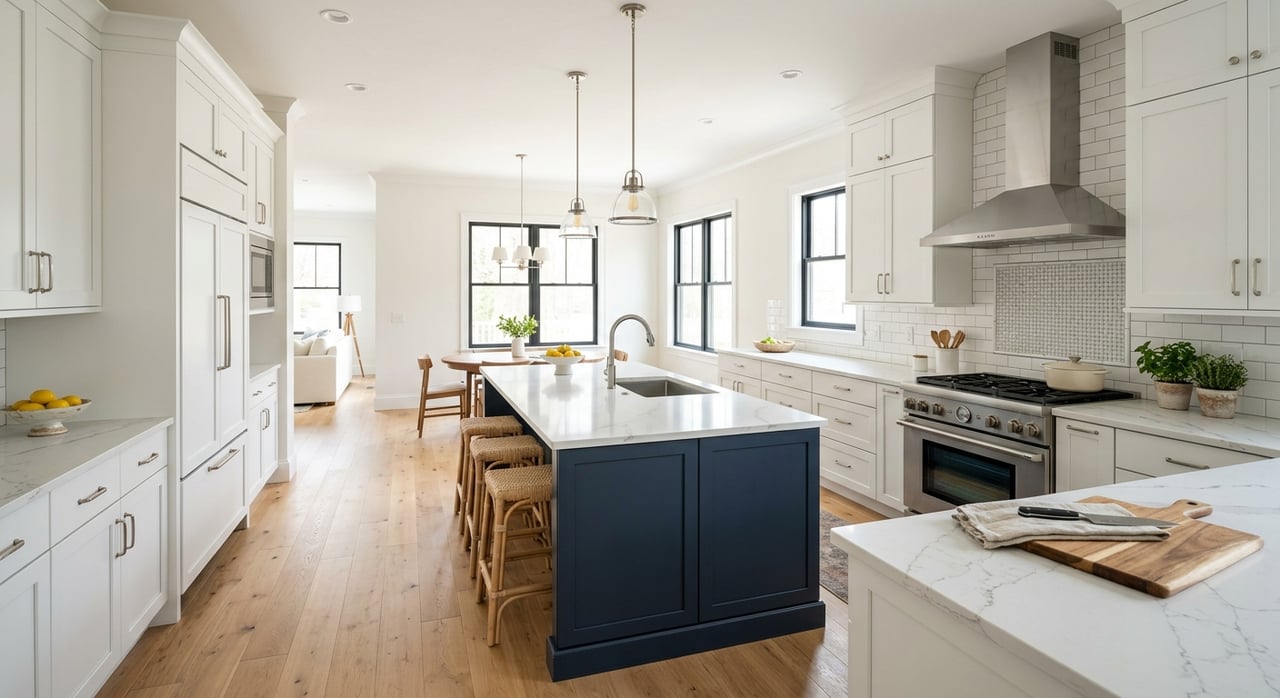
If your kitchen, baths, flooring, roof, or systems are newer, that may support a stronger list price. If your home needs repairs or cosmetic updates, the market may expect a discount unless you plan to address those items before launch.
This is where pricing and presentation work together. The better your home shows relative to nearby listings, the easier it is to justify a price that attracts confident buyers.
Watch the active competition
Pricing is not just about the past. It is also about what buyers can choose from today.
Realtor.com’s March 2026 snapshot showed 474 homes for sale in Rockville. When buyers have more options, they compare more carefully, and overpriced listings can be easier to skip.
That is why a pricing strategy should include a hard look at current competition. If similar homes are already on the market at lower or more compelling prices, you may need to sharpen your number or offer a stronger overall presentation.
Why the first price matters most
Your first price gets the most attention. The first days on market are when your listing is freshest and when buyers and agents are most likely to notice it.
Some sellers are tempted to start high and see what happens. In this market, that approach can cost you time and leverage. With buyers having choices and countywide homes selling close to original list price on average, a test price can backfire if it pushes your home outside the range buyers expect.
When a listing sits, buyers often start asking what is wrong with it, even when the issue is simply the price. The longer the market time, the more negotiating power can shift to the buyer.
Rockville examples that show the difference
Public listing results in Rockville show how pricing can shape outcomes.
At 311 Watkins Cir in Rockville 20850, the home sold on June 11, 2026 for $1.35 million, or 2% over list, after 27 days on market. That is a solid example of a home reaching a strong result without lingering too long.
At 13907 Shippers Ln in Rockville 20853, the home was listed at $679,900 on May 14, 2026, went pending on May 20, and sold on June 5 for $740,000. That was 8.8% over list, which supports the idea that pricing in the right range can invite buyer competition.
Another useful example is 4421 Jupiter St in Rockville 20853. It was listed at $599,999 on April 16, 2026 and went pending on April 22. Zillow also showed strong early engagement, including 808 views and 74 saves, which suggests the price landed in a range that got buyers moving quickly.
On the other hand, 10500 Rockville Pike #627 was listed at $200,000 on May 23, 2026, went pending the next day, and sold on June 5 for $157,500. Even though it moved fast, the final result was 21.3% below list, showing that speed alone does not equal pricing success.
Then there is 1612 Marshall Ave in Rockville 20851, which sold on June 14, 2026 for $464,500, or 1% under list, after 99 days on market. Longer exposure often makes it harder to maintain urgency and seller leverage.
Price for your goals, not just the market
Your strategy should also match your goals. If you want a faster move, a more competitive price may help create stronger early demand.
If you have more flexibility on timing, you may choose a slightly more ambitious number, but it still needs to be grounded in nearby sales and current competition. Otherwise, you may trade away momentum without improving your final outcome.
Concessions can also play a role. In some cases, repair credits or other negotiated terms may help attract buyers and keep a deal together without changing the headline list price.
What if your home is unique?
Unique homes can be harder to price, but the same rules still apply. You may need a narrower comp set and more thoughtful adjustments for features, upgrades, lot size, or design.
The key is making sure the price still makes sense to buyers who are comparing your home with other available options. Even if your property stands out, buyers usually anchor their decisions to what else they can purchase in the same general range.
That is why the pricing story matters. The number should be explainable through condition, features, and local sales data, not just personal value.
Questions to ask before you list
Before you put your Rockville home on the market, it helps to ask clear pricing questions. A strong pricing conversation should go beyond a single number.
Here are a few smart questions to ask:
- Which recent sold comps support this price?
- Which active listings are my real competition?
- How are you adjusting for my home’s condition and updates?
- What should I improve before launch?
- If showings are slow, how will we respond?
- Do you recommend staging, repairs, or possible concessions?
These questions can help you understand whether the strategy is built around evidence and buyer behavior, rather than guesswork.
The bottom line on pricing in Rockville
In Rockville, strong offers usually start with smart positioning. The market is active, but buyers are careful, inventory is not ultra-tight, and homes are generally selling close to list rather than wildly above it on average.
That means your best move is often to launch with a price that reflects recent sold comps, current competition, your home’s condition, and your personal timeline. When the price feels right to the market, you give yourself the best chance to create urgency, attract serious buyers, and negotiate from strength.
If you are getting ready to sell in Rockville and want a pricing strategy backed by local data, marketing insight, and clear next steps, connect with Robert T Dinh.
FAQs
How should you price a home in Rockville, MD?
- You should price a Rockville home using recent local sold comps, current competing listings, property condition, and your timeline goals.
Does overpricing a Rockville home help leave room to negotiate?
- In the current Rockville market, overpricing can reduce early interest, increase days on market, and weaken your leverage with buyers.
Can pricing below market value attract stronger offers in Rockville?
- In some cases, a competitive list price can increase buyer attention and create multiple-offer activity, but it still needs to be supported by local market data.
What if your Rockville home is unique and hard to compare?
- Unique homes can require a narrower comp set and careful adjustments, but the final price still needs to be explained in terms buyers can compare.
How long are homes taking to sell in Rockville?
- Over the three months ending May 2026, homes in Rockville sold in around 34 days on average, according to Redfin market data.