Selling your home in Germantown can feel like a lot to manage, especially when you are trying to balance timing, repairs, pricing, paperwork, and the move itself. The good news is that you do not need a perfect house or a perfect month to sell well. If you follow the right sequence, you can make smart decisions that protect your time and your bottom line. Let’s dive in.
Why this checklist matters in Germantown
Germantown is a competitive seller market, and that creates real opportunity for well-prepared sellers. In March 2026, homes sold in about 28 days, received about three offers on average, and closed at a median price of $465,000. The median sale-to-list ratio was 100.4%, which shows that many sellers were landing very close to, or above, asking price.
That said, strong conditions do not mean every home will sell at the same pace or price. About 13.6% of homes saw price drops, which is a reminder that pricing and presentation still matter. In this market, your first list price and first impression can shape the entire sale.
Montgomery County data also point to a stronger spring window. From March to April 2026, new listings and closed sales increased, average days on market improved from 31 to 27, and the average sold-to-original-list ratio edged up to 99.9%. For you, the takeaway is simple: spring can help, but smart preparation matters more than waiting for the perfect week.
Start 4 to 6 weeks before listing
The best home sale usually starts before your home ever hits the market. This is the stage where you build your pricing plan, handle important repairs, and get your documents together. A little work here can reduce stress later.
Get a market-based price opinion
Your pricing strategy should start with recent sold comparable homes in Germantown and the broader Montgomery County market. In a market where buyers move quickly and many homes sell near list price, an aspirational list price can backfire. A strong first price usually creates more interest than a later price cut.
This is one of the biggest areas where an experienced listing team adds value. A data-driven pricing approach helps you position your home based on current buyer behavior, not guesswork. That matters when your goal is strong offers and solid net proceeds.
Prioritize repairs that matter most
Not every repair deserves your time or money before you sell. Focus first on issues that can affect safety, financing, inspections, or buyer confidence. In Maryland, these same topics often connect directly to disclosure requirements, so they should be reviewed early.
Pay close attention to:
- Roof leaks
- Water intrusion
- Foundation concerns
- Plumbing problems
- Electrical issues
- HVAC problems
- Wood-destroying insect damage
- Missing smoke alarms
- Missing carbon monoxide alarms
If buyers discover these items during inspections, they may ask for repairs, credits, or contract changes. Handling key issues ahead of time can make your sale smoother and more predictable.
Gather disclosure documents early
Maryland requires sellers of many residential properties improved by four or fewer units to provide either a residential property condition disclosure statement or a disclaimer statement, unless an exemption applies. The disclosure form covers known defects involving things like roof, foundation, plumbing, electrical systems, infestation, hazardous materials, and alarms.
Timing is important. Maryland requires the disclosure or disclaimer to be delivered on or before contract execution. If the buyer does not receive it in time, the buyer may have a five-day right to rescind after receipt.
Maryland regulations also say a seller’s agent should obtain the written disclosure or disclaimer statement when the listing is taken. In practical terms, that means you should not wait until you have an offer in hand. Getting paperwork ready early helps avoid delays and surprises.
Understand disclosure versus disclaimer
Maryland gives many sellers a choice between a fuller disclosure approach and a disclaimer approach. But neither option lets you ignore known material issues. If you know about a latent defect that is not reasonably visible and poses a direct health or safety threat, that issue still matters.
The safest approach is accuracy. If you are unsure how to describe a known issue, it is worth addressing it carefully before your home goes live.
Check for lead-based paint rules
If your home was built before 1978, this step is especially important. Sellers and agents must disclose known lead-based paint hazards before sale. If repairs will disturb painted surfaces, the work may need to be done using lead-safe practices by EPA-certified contractors.
This is not a detail to handle casually. If your home may fall into this category, plan for it early so your repair timeline does not get delayed.
Collect condo or HOA information
If your property is in a condo or HOA community, gather the resale packet, dues information, community rules, and any notices about special assessments as soon as possible. These documents often take time to assemble. Ordering them early can help keep your transaction on track once you accept an offer.
Tackle presentation 1 to 2 weeks before listing
Once repairs and paperwork are underway, shift your attention to how your home will show. In Germantown, where hot homes can go pending in about 12 days and around 2% above list, the first weekend matters. Buyers often decide quickly, so your home should look ready from day one.
Deep clean and simplify
A clean, well-edited home helps buyers focus on the space itself. Remove clutter, clear surfaces, and make rooms feel open and functional. You do not need to erase personality, but you do want buyers to picture how they could use the home.
Stage key spaces
Staging works best after repairs and deep cleaning are done. Focus on the rooms that shape first impressions and daily living, such as the living room, kitchen, primary bedroom, and main bathrooms. Even light staging can help your rooms feel brighter, larger, and more inviting.
Refresh curb appeal
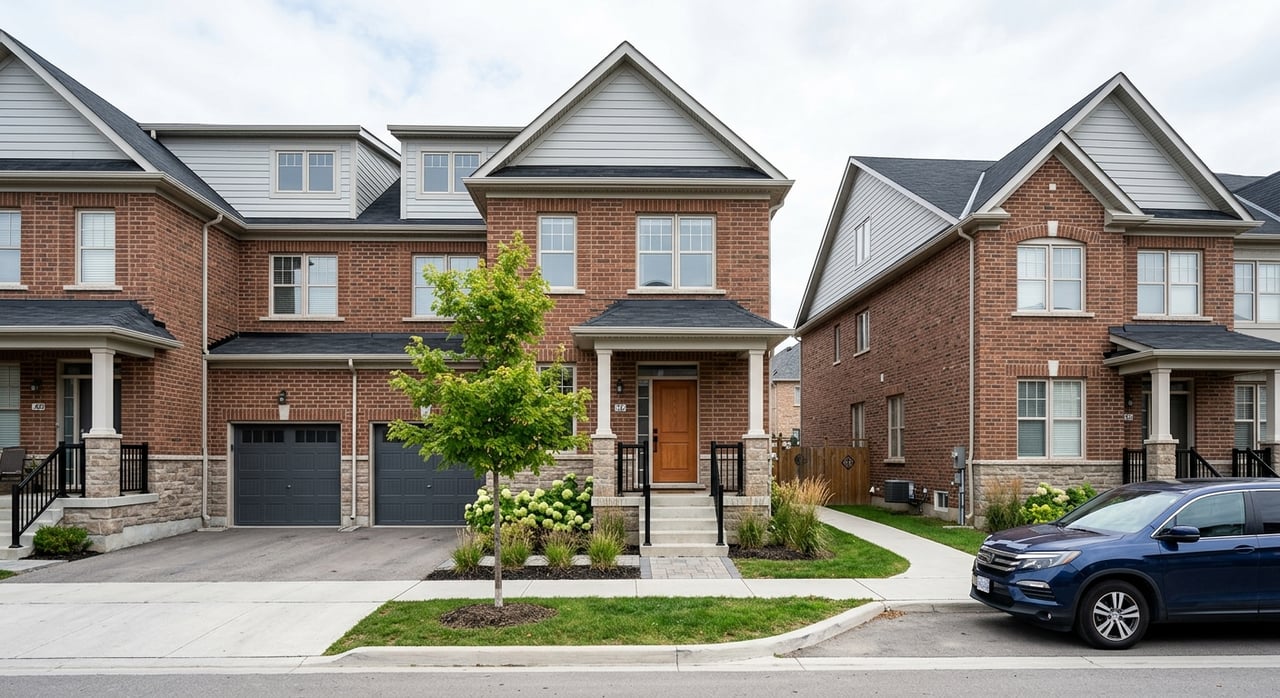
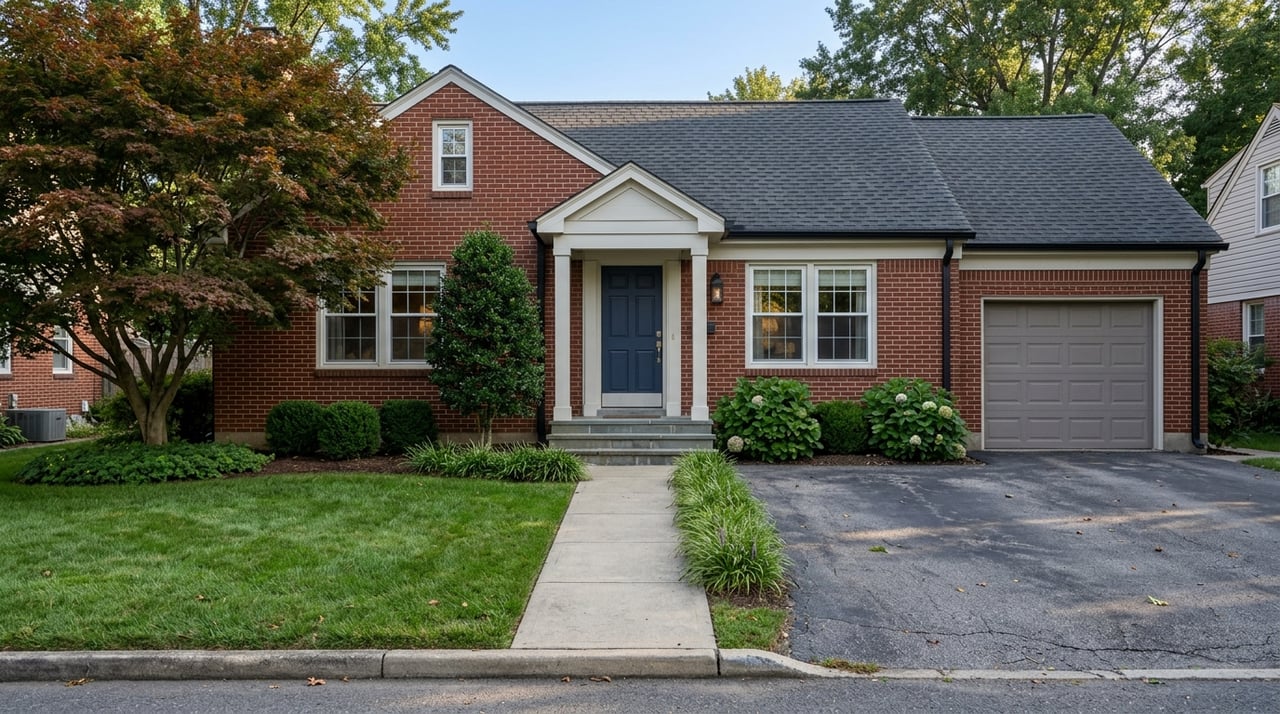
Your exterior sets the tone before buyers ever walk inside. Tidy landscaping, clear walkways, and a clean front entry can make a noticeable difference. In a competitive market, these small details help your listing stand out in person and in photos.
Schedule professional photography
Photography should happen only after the home is fully ready. In a fast-moving market, your online debut needs to be strong because many buyers decide whether to schedule a showing based on photos alone. Good visuals support better interest, stronger showing activity, and more momentum in the first days on market.
Manage the first 7 to 10 days on market
The first week is often the most important window of your entire listing. This is when your home is newest to the market, buyer attention is highest, and your pricing strategy gets tested in real time. In Germantown, where homes commonly receive multiple offers, this period can shape both your final price and your contract terms.
Make showings easy
Try to keep your home as available as possible during the early launch period. Limited access can reduce the number of buyers who get through the door. More exposure gives you a better chance of generating strong interest quickly.
Track feedback closely
Buyer and agent feedback can tell you whether your price and presentation are working. If multiple people love the house but hesitate on price, that is useful information. If comments point to a repair, odor, lighting issue, or clutter, those are often fixable before momentum fades.
Review offers beyond price
The highest number is not always the best offer. You should compare offers based on net proceeds and risk, not just headline price. In a competitive market, small contract terms can change your outcome in a big way.
Look at factors like:
- Financing strength
- Appraisal risk
- Inspection contingencies
- Requested seller credits
- Settlement timeline
- Overall reliability of the buyer’s terms
A strong listing agent helps you compare these pieces side by side so you can make a confident decision.
Stay organized once under contract
Accepting an offer is a major step, but it is not the finish line. The contract period still includes inspection discussions, appraisal, title work, tax estimates, and settlement coordination. Staying organized here helps protect the deal you worked hard to secure.
Prepare for inspections and negotiations
Even well-maintained homes can lead to inspection requests. If you handled major issues before listing, you may have fewer surprises and more control in negotiations. If requests do come in, focus on what affects the transaction most rather than reacting emotionally.
Keep title and paperwork moving
The file needs to stay on track through title review and pre-settlement preparation. Delays can happen when documents are missing, names do not match prior records, or HOA and condo information is incomplete. This is another reason early organization matters.
Review taxes and closing costs early
Montgomery County sellers benefit from having a realistic closing-cost estimate before settlement. Maryland’s state transfer tax rate is 0.5% of consideration, and Montgomery County’s transfer tax is 1%. Montgomery County recordation tax is tiered, with a base rate of $2.08 per $500 and a school increment rate of $2.37 per $500, plus higher premium tiers above $500,000.
Maryland law generally presumes that recordation tax and state or local transfer tax are shared equally unless the contract says otherwise. There is also a special rule for a sale to a first-time Maryland home buyer who will occupy the property as a principal residence. In that case, the state transfer tax is reduced to 0.25% and paid entirely by the seller, and the recordation and local transfer tax are also paid by the seller unless the parties agree differently in the contract.
Because these costs can affect your net proceeds, they should be reviewed before closing week, not during it.
Get ready for closing week
Closing week should be about confirming details, not scrambling for answers. By this stage, your main job is to review documents carefully and make sure the home is ready for turnover. A calm final week usually reflects good planning from the start.
Review the settlement statement
Before settlement, review your numbers closely. Make sure the expected taxes, fees, credits, and prorations align with your understanding of the contract. If anything looks off, ask questions before signing.
Prepare for the final walkthrough
The buyer will usually complete a final walkthrough shortly before settlement. The home should be in the condition required by the contract. Agreed repairs should be completed, and the property should be ready for transfer.
Know what happens at recording
At settlement, the deed is recorded in Montgomery County land records through the circuit court clerk’s office. Recording can involve recording fees, recordation tax, state transfer tax, county transfer tax, and non-resident tax. The clerk’s office accepts documents and some payments, but it does not provide legal advice or review documents for your personal goals.
Your Germantown selling checklist at a glance
If you want a simple version, here is the sequence to follow:
Four to six weeks before listing
- Get a market-based valuation
- Decide on high-impact repairs
- Start disclosure or disclaimer paperwork
- Check lead-based paint requirements if applicable
- Order condo or HOA documents
One to two weeks before listing
- Deep clean the home
- Stage key rooms
- Refresh landscaping and curb appeal
- Schedule listing photos
- Finalize listing preparation
First seven to ten days on market
- Maximize showing access
- Monitor buyer feedback
- Compare offers carefully
- Evaluate terms, risk, and net proceeds
Under contract
- Respond to inspection items
- Track appraisal and title work
- Confirm HOA or condo items are complete
- Review closing cost estimates and tax impacts
Closing week
- Review the settlement statement
- Prepare for final walkthrough
- Confirm transfer details and recording
Why the right sequence works
The best Germantown home-selling checklist is not just a list of tasks. It is a sequence that starts with pricing and repair decisions, moves through staging and showings, and finishes with disclosures, taxes, title, and recording. When each step happens in the right order, you reduce risk and give yourself a better chance at a smooth, profitable sale.
In a market where many homes sell near list price and some attract multiple offers, good preparation can make a meaningful difference. You do not need to guess your way through it. You need a plan built around local data, solid presentation, and careful execution.
If you are thinking about selling in Germantown and want a clear strategy from pricing to closing, Robert T Dinh can help you build the right plan for your home and your timing.
FAQs
What is the best time to sell a home in Germantown, MD?
- Montgomery County data showed stronger spring activity from March to April 2026, but pricing and presentation usually matter more than waiting for a perfect month.
How fast are homes selling in Germantown, MD?
- In March 2026, Germantown homes sold in about 28 days on average, and hot homes could go pending in about 12 days.
What repairs should Germantown home sellers make before listing?
- Focus first on repairs that could affect safety, financing, inspections, or negotiations, such as roof leaks, water intrusion, foundation issues, plumbing, electrical, HVAC, insect damage, and missing smoke or carbon monoxide alarms.
What disclosures are required when selling a home in Maryland?
- Many Maryland sellers must provide either a residential property condition disclosure statement or a disclaimer statement on or before contract execution, unless an exemption applies.
Can a Maryland home seller choose a disclaimer instead of full disclosure?
- Yes, many sellers can choose a disclaimer statement, but that does not remove the need to be accurate about known latent defects that pose a direct health or safety threat.
What should Germantown sellers look at when reviewing offers?
- Compare more than price by reviewing financing strength, appraisal risk, inspection terms, requested credits, settlement timing, and likely net proceeds.
What taxes and fees affect a home sale in Montgomery County, MD?
- Sellers should account for Maryland state transfer tax, Montgomery County transfer tax, and Montgomery County recordation tax, along with other settlement-related fees and prorations.
What happens at closing for a Germantown home sale?
- During closing, final numbers are reviewed, the buyer completes a final walkthrough, and the deed is recorded in Montgomery County land records through the circuit court clerk’s office.