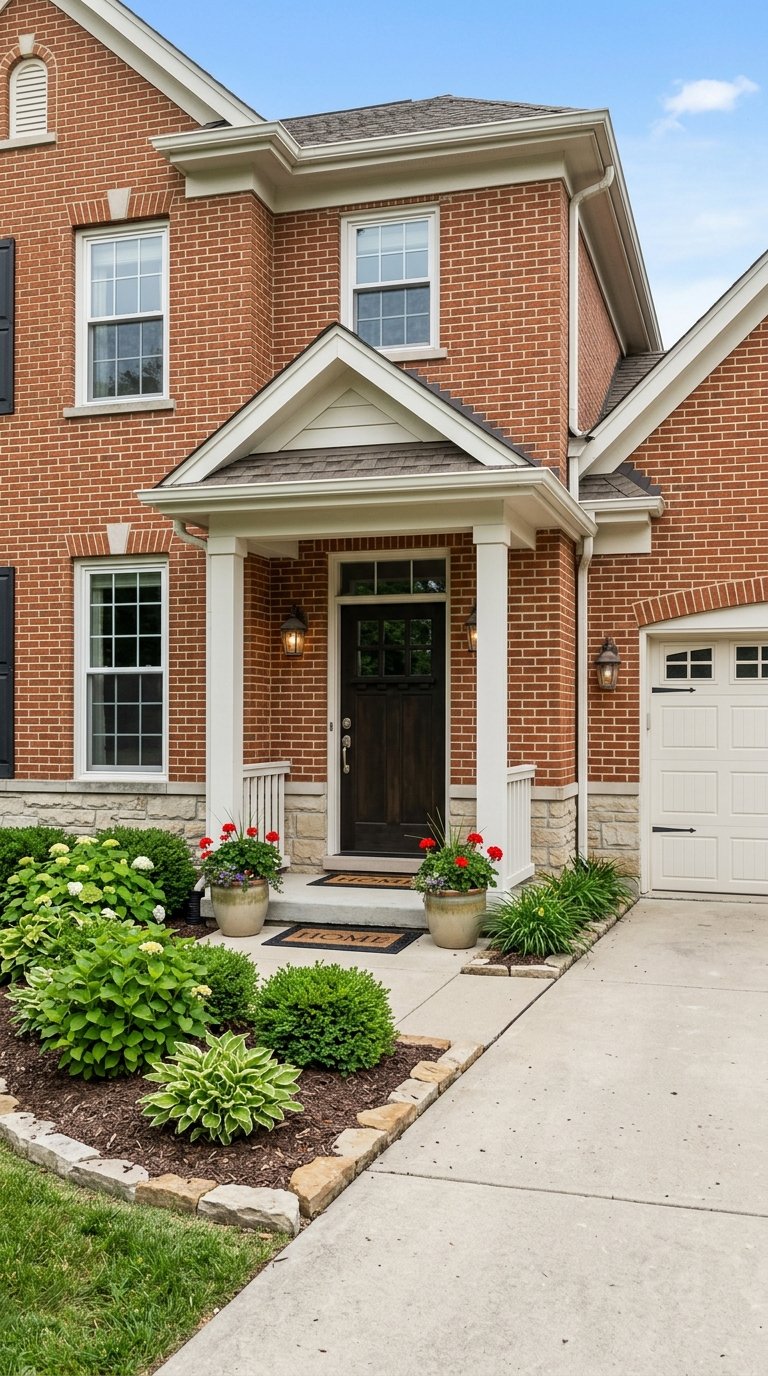
If you have outgrown your current home, you are not alone. Many Gaithersburg owners are trying to balance two big moves at once: selling the home you have and buying the home you need next. The good news is that with the right plan, you can make smart decisions on timing, equity, and monthly cost before you commit. Let’s dive in.
Why move-up buying in Gaithersburg takes planning
A move-up purchase in Gaithersburg often means competing in a market where inventory and pricing do not always line up with what you want. Over the three months ending April 2026, homes in Gaithersburg received about three offers on average, sold in around 43 days, and had a median sale price of $534,724. In Montgomery County, March 2026 data showed 1,470 active listings, 726 closed sales, a median sold price of $650,000, an average of 31 days on market, and a 99.4% sold-to-list ratio.
That matters because a move-up buyer usually does not have the luxury of making one simple transaction. You are often trying to unlock equity from your current home, line up financing for the next one, and compete for limited options in the price range above your current property.
Start with your usable equity
Before you tour homes, you need to know how much equity you can actually use. Home equity is the value of your home minus what you still owe on your mortgage. That number is the starting point, but it is not the same as the cash you will have available after a sale.
Your usable equity should account for:
- Your remaining mortgage payoff
- Expected selling costs
- Your planned down payment
- Closing costs on the next purchase
- Cash reserves for moving, repairs, and first-year expenses
This is where many move-up plans either become realistic or need adjusting. A higher sale price on your current home can help, but so can a disciplined estimate of what you will net after all costs are paid.
Understand your financing options early
If you want to buy before your current home sells, financing strategy becomes especially important. A HELOC is revolving credit secured by your home, while a home equity loan is a lump sum secured by the home. Some buyers also explore bridge or swing loans to close on a new primary residence before the current one sells.
That said, bridge financing is not a shortcut around affordability. Fannie Mae guidance notes that the lender still has to document your ability to carry both homes unless your current residence is already under a fully executed sales contract and contingencies have been cleared. In other words, you should review financing scenarios early, not after you find the perfect listing.
Factor in today’s payment reality
Monthly cost can change fast when you trade up. Freddie Mac reported the average 30-year fixed mortgage rate at 6.53% for the week ending May 28, 2026. When you combine a higher rate with a larger loan amount, the jump from your current payment to your next one can be much bigger than expected.
For many Gaithersburg buyers, this is the point where the conversation shifts from price to payment. The question is not only what home you can qualify for, but what payment feels comfortable when you include taxes, insurance, and any community-related charges.
Compare townhome and single-family paths
In Gaithersburg, move-up buying often splits into two very different tracks: townhomes and detached homes. Recent local data shows a median sale price of $545,000 for townhouses and $909,000 for single-family homes. That is a gap of about $364,000.
This price difference is one of the most important planning factors in your search. A townhome move-up may let you gain space and stay closer to the citywide median sale price of $534,724. A detached home can offer a different layout and lot profile, but it usually requires a much larger budget and stronger overall purchase position.
Why detached homes are harder to find
Gaithersburg’s housing stock helps explain the challenge. City planning materials show that only 18% of units are single-family detached, while 27% are townhouses or duplexes and 51% are multifamily. That means detached homes are a smaller share of the existing market from the start.
The future pipeline also points to continued scarcity. As of January 2025, approved-but-unbuilt housing was mostly multifamily rental apartments, with no detached houses in the pipeline and only 9.4% townhouses or duplexes. If your move-up goal is a detached home in Gaithersburg, you may need to move quickly when the right option appears.
Why townhomes may be the practical first step
Townhomes remain a more accessible move-up option for many buyers. They are priced much closer to the overall local market, and they represent a larger share of the existing housing stock. If your top goal is more room without stretching too far on monthly cost, a townhome may offer the best balance.
That does not make detached homes the wrong choice. It simply means the path is different. A detached-home search often requires more flexibility on budget, timing, and how aggressively you write offers.
Budget beyond the sale price
One of the biggest mistakes move-up buyers make is focusing too much on the list price and not enough on the full carrying cost. In Montgomery County, the first-year tax picture after a purchase can look very different from the seller’s current tax bill.
The county’s Homestead Property Tax Credit limits annual taxable assessment increases to 10% for principal residences, but that cap does not apply in the first year after purchase. The county also says sellers must estimate and disclose the next-year property tax for buyers. That means you should model your payment using the post-purchase tax bill, not the current owner’s bill.
Check whether the home is inside city limits
If the property is inside the City of Gaithersburg, the city’s residential property tax rate is $0.262 per $100 of assessed value. The city also notes that some homes with a Gaithersburg postal address are not actually inside city limits. That small detail can affect your tax bill and the services tied to the property.
For that reason, address verification matters. Two homes can have similar list prices and mailing addresses but different tax structures based on jurisdiction.
Watch for special district charges
Montgomery County also notes that some areas are part of development districts or special taxing districts with added annual charges. These costs can change the monthly math more than buyers expect. If you are comparing homes at a similar price point, these added charges can make one option meaningfully more expensive to carry.
Plan your sale and purchase together
When you are moving up, your current home is often the key to unlocking the next one. That is why the sale strategy should not be treated as a separate project. Your list timing, pricing, expected net proceeds, and closing date all influence what you can buy and when.
Montgomery County says real estate taxes must be current before a deed can transfer. The county’s Office of Consumer Protection also says sellers must disclose estimated property tax and non-tax charges for the first full fiscal year of ownership. For you, that means closing dates should allow enough room for tax proration, payoff timing, and any first-year cost adjustments on the next home.
Closing costs rise at higher price points
As you move into higher price bands, transaction taxes become a larger part of the equation. Montgomery County’s recordation tax schedule increases in tiers above $500,000, $600,000, $750,000, and $1 million. Maryland’s state transfer tax is 0.5% of consideration, or 0.25% for qualifying first-time Maryland home buyers purchasing a principal residence.
For most move-up buyers, that means your cash-to-close may increase faster than expected as your target price rises. If you are aiming for a detached home, these taxes can have a real impact on how much money you want to keep in reserve after closing.
A smart move-up plan for Gaithersburg
A strong move-up strategy usually starts with answers to a few practical questions. How much can you net from your current sale? How much monthly payment do you want to carry comfortably? Are you aiming for a townhome that improves your space, or are you willing to compete harder for a detached home with limited supply?
In Gaithersburg, those questions matter because the market gives you two different upgrade paths. Townhomes are often the more attainable way to gain room while staying closer to the broader market price range. Detached homes may offer a bigger lifestyle change, but they usually require more equity, more cash, and a faster decision process.
The best next step is to line up the numbers before the search gets emotional. When you understand your equity, financing options, tax exposure, and timing, you can move with more confidence and avoid the common pitfalls that come with buying and selling at the same time.
If you are planning a move-up purchase in Gaithersburg, Robert T Dinh can help you map out your sale, your budget, and your next-home strategy with a local, data-driven approach.
FAQs
How competitive is the Gaithersburg housing market for move-up buyers?
- Recent local data shows Gaithersburg homes received about three offers on average, sold in around 43 days, and had a median sale price of $534,724 over the three months ending April 2026.
What is the price difference between townhomes and single-family homes in Gaithersburg?
- Recent local data shows a median sale price of $545,000 for townhouses and $909,000 for single-family homes, a gap of about $364,000.
Why are detached homes harder to buy in Gaithersburg?
- City planning materials show only 18% of Gaithersburg housing stock is single-family detached, and as of January 2025 there were no detached houses in the approved-but-unbuilt pipeline.
How should Gaithersburg move-up buyers estimate property taxes?
- You should model the first-year tax bill based on the post-purchase estimate, not the seller’s current bill, because Montgomery County says the Homestead Property Tax Credit cap does not apply in the first year after purchase.
Do all Gaithersburg addresses pay City of Gaithersburg taxes?
- No. The city says some properties with a Gaithersburg postal address are not inside city limits, so you should confirm the property’s jurisdiction before estimating city taxes and services.
What financing options can help with a move-up purchase in Gaithersburg?
- Depending on your situation, buyers may consider a HELOC, a home equity loan, or bridge financing, but lenders still review your ability to carry both homes unless your current home is already under contract with contingencies cleared.